

Views: 0 Author: Site Editor Publish Time: 2026-02-03 Origin: Site


Have you ever wondered what keeps your hydraulic systems running smoothly? Pump couplings play a crucial role in ensuring efficient power transmission. However, knowing when to replace them can be challenging.
In this article, we will explore the signs that indicate it's time for a replacement. You’ll learn about the importance of maintaining pump couplings and how it affects overall system performance. We’ll also highlight Keister Hydraulic, a leader in manufacturing high-quality hydraulic pumps.
A pump coupling is a critical component in hydraulic systems. It connects the pump to its drive unit, typically a motor, ensuring efficient power transmission. Without a reliable coupling, the entire system can experience performance issues.
There are several types of pump couplings, each designed for specific applications. Here’s a quick overview:
Coupling Type | Description | Common Uses |
Elastomeric | Flexible couplings made from rubber materials. | Ideal for absorbing shock and vibration. |
Gear | Rigid couplings that use gears to transmit power. | Common in heavy-duty applications. |
Metal Disc-Pack | Uses metal discs to allow for misalignment. | Best for high-torque applications. |
Each type has its unique features, making them suitable for various hydraulic systems.
Pump couplings play a vital role in the overall efficiency of hydraulic systems. They facilitate the transfer of power from the motor to the pump, ensuring that the system operates smoothly. If a coupling fails, it can lead to reduced performance, increased downtime, and costly repairs.
Proper maintenance of pump couplings significantly enhances the performance of hydraulic systems, including those manufactured by Keister Hydraulic. Their pumps are designed to work seamlessly with high-quality couplings, ensuring efficiency and longevity. Regular inspections and timely replacements can prevent issues, keeping your machinery running at peak performance.
In summary, understanding the function and importance of pump couplings is crucial for anyone involved in hydraulic systems. By ensuring the right coupling is in place, you can maintain system reliability and efficiency.
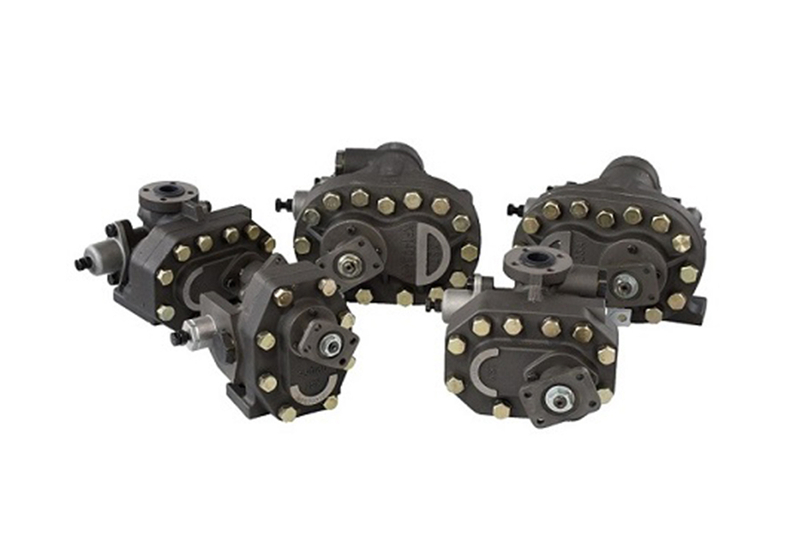
Recognizing the signs of pump coupling failure is essential for maintaining hydraulic systems. Here are some key indicators to watch for:
Listen closely for unusual sounds like grinding or rattling. These noises often signal problems within the coupling. For instance, Keister pumps, particularly those used in low-noise applications such as marine equipment, should operate quietly. If you hear unexpected noises, it’s a clear sign that the coupling may need immediate attention.
Vibration can significantly affect pump operation. If you notice excessive vibration, it indicates a potential coupling issue. This can lead to misalignment and increased wear on the pump and motor. Regular monitoring can help identify these problems early.
Fluid leaks are another critical sign of coupling failure. Monitoring for leaks is vital, especially in high-pressure systems like the Keister PV2R Series pumps. A small leak can lead to pressure drops and efficiency losses, so addressing this issue promptly is crucial.
Keep an eye out for signs of decreased output. If your pump isn't performing as it should, it could be due to a failing coupling. This is particularly important in heavy-duty scenarios like construction and mining, where consistent performance is essential.
Regular visual inspections are important. Look for cracks, corrosion, or wear on the coupling. For Keister couplings, visible damage can indicate that it's time for a replacement. Addressing these issues early can prevent more significant problems down the line.
To avoid catastrophic equipment failure, perform a visual and physical inspection focusing on these three areas:
Elastomeric Element Decay: For flexible couplings, check the rubber or plastic inserts for cracking, hardening, or "chalking." If the material feels brittle, it's losing its dampening ability.
Backlash and Play: Manually rotate one side of the coupling. If there is significant "slop" or backlash before the other shaft moves, the internal gears or splines are likely worn.
Heat Discoloration: Look for bluish or darkened metal surfaces. This indicates excessive friction caused by misalignment, which will soon lead to a total break.
Certain signs require urgent action. Here’s a list of critical indicators that necessitate immediate replacement:
● Visible Element Damage: Cracks or severe wear can compromise the coupling's integrity.
● Excessive Noise and Vibration: Loud noises or persistent vibrations are clear signals of failure.
● Secondary Failures: If other components, like seals or bearings, are frequently failing, the coupling may be the root cause. Maintaining Keister pump systems is essential to prevent cascading failures.
By staying vigilant and addressing these signs, you can ensure your hydraulic systems run smoothly and efficiently.
When replacing a pump coupling, compatibility is crucial. Each pump model, particularly those from Keister Hydraulic, has specific coupling requirements. Using a mismatched coupling can lead to significant problems, including increased wear and potential system failure. Additionally, it may void warranties, leaving you responsible for costly repairs. Always ensure the coupling matches the pump specifications for optimal performance.
Installing a new coupling correctly is essential for long-term reliability. Best practices include following the manufacturer's guidelines. Keister provides detailed instructions regarding alignment and torque specifications. Proper alignment helps reduce stress on the coupling and connected components, ensuring smooth operation. Here’s a quick checklist for installation:
● Verify Compatibility: Confirm the coupling matches the pump model.
● Check Alignment: Use tools to ensure proper alignment.
● Torque Specifications: Tighten bolts to the recommended torque levels.
After replacing a pump coupling, thorough inspection is necessary. Testing the system under load helps ensure everything functions as expected. Monitor for unusual noises or vibrations during operation. Here are some steps to follow after replacement:
1. Visual Inspection: Check for any visible damage or misalignment.
2. Functional Testing: Run the pump under normal operating conditions.
3. Monitor Performance: Observe for any signs of leakage or reduced efficiency.
Scheduling regular maintenance is vital for the longevity of your pump systems. Replacing couplings should be part of a comprehensive preventive maintenance plan. Tailor your maintenance schedule based on the specific usage of your pumps, especially for demanding applications like those using Keister pumps.
Maintenance Activity | Frequency | Notes |
Visual Inspections | Monthly | Check for wear and alignment issues. |
Coupling Replacement | As Needed | Based on performance indicators. |
Full System Check | Annually | Comprehensive assessment of all components. |
By integrating coupling replacements into regular maintenance, you can enhance the performance and reliability of your hydraulic systems.
Understanding the expected lifespan of different coupling types is essential for effective maintenance planning. Here’s a breakdown of typical lifespans:
Coupling Type | Expected Lifespan | Characteristics |
Elastomeric Couplings | 2-5 years | Flexible and good for shock absorption. |
Gear Couplings | 3-5 years | Rigid and suitable for heavy-duty use. |
Metal Disc-Pack Couplings | ~20 years | Highly durable, ideal for high torque. |
Keister’s commitment to quality ensures their couplings often exceed these lifespans. By using high-grade materials and advanced manufacturing techniques, Keister couplings provide exceptional durability and reliability, making them a preferred choice in various applications.
To maximize the lifespan of your pump couplings, following best maintenance practices is crucial. Regular inspections and proper lubrication can significantly extend their service life. Here are some key practices to consider:
● Scheduled Inspections: Regularly check for signs of wear and tear. This includes looking for cracks, misalignment, or unusual noises during operation.
● Lubrication: Ensure couplings are adequately lubricated as per manufacturer recommendations. Proper lubrication reduces friction and wear, enhancing performance.
● Alignment Checks: Maintaining proper alignment is vital, especially in high-precision environments. Misalignment can lead to premature wear and failure. This is particularly important for machinery using Keister's imported components, which are designed for optimal performance.
By implementing these maintenance strategies, you can ensure your pump couplings last longer and perform more efficiently, ultimately leading to better system reliability.
Misalignment is one of the most common causes of pump coupling failure. When the pump and motor shafts are not properly aligned, it creates uneven stress on the coupling. This misalignment can lead to excessive wear, overheating, and ultimately, failure. In industrial settings, where machinery is often subjected to vibrations and movement, misalignment can occur frequently. Regular alignment checks are essential to prevent these issues and ensure smooth operation.
Excessive vibration and shock loading significantly impact coupling integrity. In mobile equipment, such as forklifts and dump trucks using Keister gear pumps, these forces can be particularly severe. Vibration can cause fatigue in the coupling material, leading to cracks and eventual failure. Shock loading, which occurs during sudden starts or stops, places additional stress on the coupling. To mitigate these effects, it’s important to monitor equipment conditions and implement shock-absorbing solutions where necessary.
Environmental factors play a crucial role in coupling wear, particularly in harsh conditions. Corrosion and chemical attack can weaken couplings, especially if they are made from materials not suited for specific environments. For example, exposure to moisture, chemicals, or extreme temperatures can lead to rapid deterioration. Proper material selection is vital to ensure couplings can withstand environmental challenges. Here’s a quick reference for material suitability:
Environmental Factor | Recommended Material | Notes |
Moisture | Stainless Steel, Polyurethane | Resistant to rust and corrosion. |
Chemicals | Special Alloys, Rubber | Choose materials based on chemical exposure. |
Extreme Temperatures | High-Temperature Plastics | Ensure stability under heat. |
By understanding these common causes of pump coupling failure, you can take proactive measures to enhance the lifespan and reliability of your hydraulic systems.
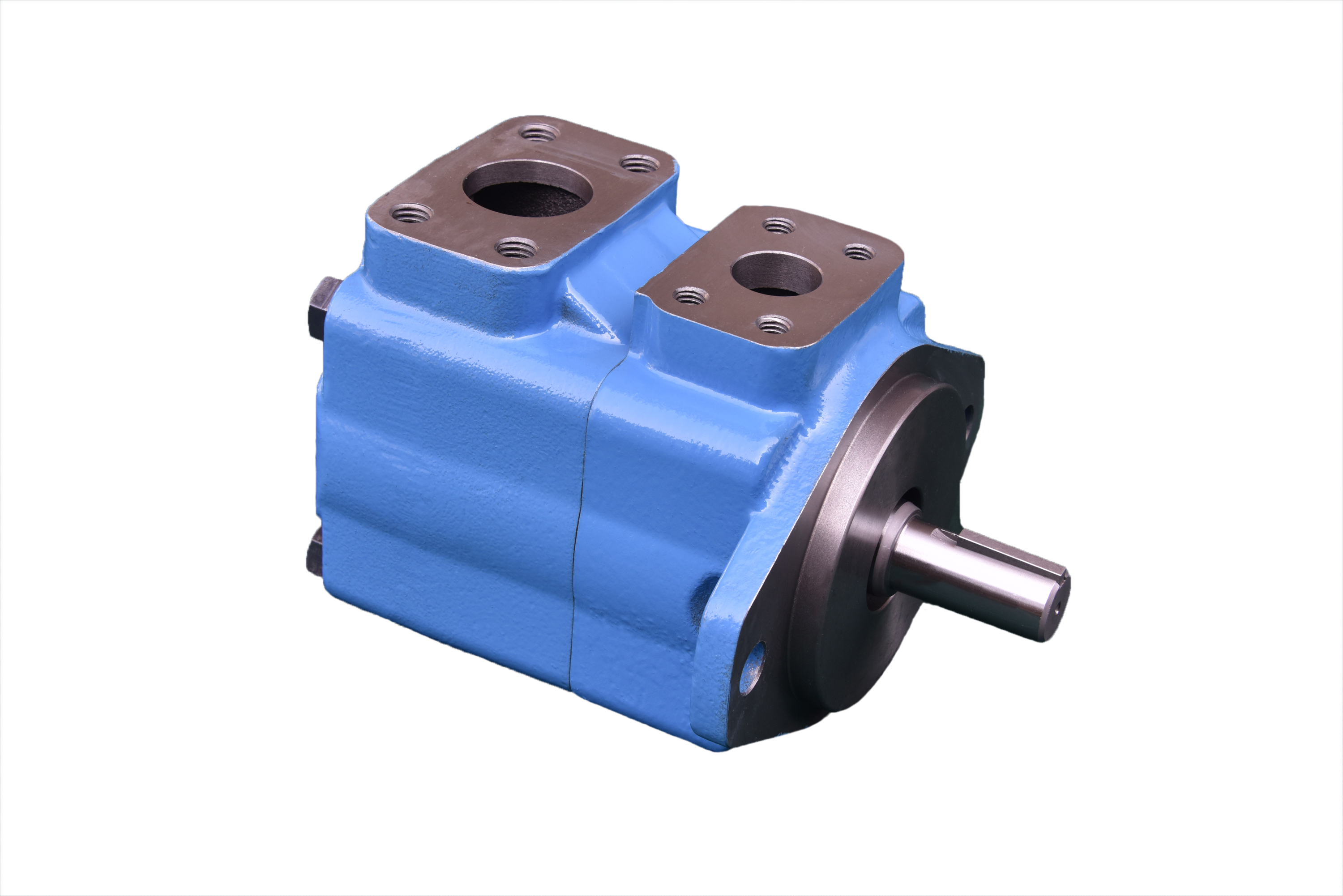
When selecting the right pump coupling, several key factors come into play. Understanding these considerations can help ensure optimal performance and reliability:
● Torque Requirements: Determine the torque specifications for your pump. The coupling must be able to handle the maximum torque without slipping or failing.
● Shaft Speed: Consider the operational speed of the pump. Different couplings are rated for various speeds, and selecting one that matches your pump's speed is crucial.
● Physical Size: Ensure the coupling fits within the available space. Measure the dimensions carefully to avoid installation issues.
Following manufacturer recommendations is vital, especially when dealing with specific brands like Keister Hydraulic. They provide detailed guidelines tailored to their products, ensuring you choose the most compatible coupling for your pump.
Upgrading your pump coupling can significantly enhance performance, particularly in applications requiring higher efficiency. If you notice increased wear or if your operational demands have changed, it may be time to consider an upgrade. Here are some scenarios where upgrading makes sense:
● Increased Load Requirements: If your application has grown and now requires more power, a more robust coupling may be necessary.
● Higher Efficiency Needs: For operations focused on maximizing efficiency, modern couplings can offer improved performance and reduced energy consumption.
● Compatibility with New Technology: As technology advances, newer coupling designs may provide better performance features, such as improved vibration dampening or alignment capabilities.
Reason for Upgrade | Benefits |
Increased Load | Enhanced durability and performance. |
Higher Efficiency | Reduced energy consumption and operational costs. |
Compatibility with New Tech | Improved reliability and performance features. |
By carefully considering these factors and potential upgrades, you can select the right pump coupling to meet your specific needs, ensuring smooth and efficient operation in your hydraulic systems.
Understanding pump coupling failure symptoms early is key to preventing downtime. Regular monitoring of coupling maintenance intervals and early detection of signs of misaligned pump couplings can extend your machinery's lifespan by up to 40%.
Timely pump coupling replacement is crucial for maintaining system efficiency. Regular monitoring can prevent unexpected failures. It’s essential to maintain your pump couplings for optimal performance. This is especially important for Keister Hydraulic products, known for their quality. By staying proactive, you can ensure your hydraulic systems run smoothly and reliably.
Q1: What are the primary warning signs of a failing pump coupling?
A: Common signs include excessive vibration, unusual noise (grinding or clicking), visible metal shavings around the coupling guard, and premature bearing failure in the motor or pump.
Q2: How often should pump coupling alignment be checked?
A: Routine inspections should occur every 3 to 6 months. However, alignment should always be verified after any maintenance task that involves moving the motor or pump.
Q3: Can a worn pump coupling cause energy inefficiency?
A: Yes. A misaligned or worn coupling increases friction and mechanical resistance, leading to higher power consumption and increased operational costs.


