

Views: 0 Author: Site Editor Publish Time: 2025-12-29 Origin: Site


Are you confused about pump types? Understanding the differences between centrifugal and rotary vane pumps is crucial for efficiency.
Centrifugal pumps are widely used in water treatment and chemical processing. In contrast, rotary vane pumps excel in hydraulic systems and mobile equipment.
In this post, you’ll learn the key differences and applications of these two pump types.
A vane pump is a type of positive displacement pump that uses rotating vanes to move fluids. The mechanism consists of a rotor with slots that hold the vanes, which slide in and out as the rotor turns. This action creates expanding and contracting chambers, allowing the pump to draw in and discharge fluid efficiently.
Vane pumps can be categorized into two main types: fixed displacement and variable displacement pumps.
● Fixed Displacement Pumps: These pumps deliver a constant volume of fluid with each rotation. They are often used in applications where a steady flow is required.
● Variable Displacement Pumps: These allow for adjustments in flow rate and pressure. This flexibility makes them suitable for applications that require varying fluid demands.
Type | Description | Common Applications |
Fixed Displacement | Delivers a constant fluid volume | Hydraulic systems, lubrication |
Variable Displacement | Adjustable flow and pressure | Mobile equipment, automotive systems |
Vane pumps offer several advantages that make them ideal for various applications. Their efficiency is one of the key benefits, especially in systems requiring precise fluid delivery. They maintain a consistent flow rate, which is vital in hydraulic applications where pressure stability is crucial.
1. High Efficiency: Vane pumps operate efficiently across a wide range of viscosities, making them versatile for different fluids.
2. Low Noise Levels: Many vane pumps are designed for quiet operation, which is beneficial in noise-sensitive environments.
3. Compact Design: Their design allows for easy integration into existing systems without requiring significant space.
When considering vane pumps, it’s essential to know reputable manufacturers. Keister Hydraulic is one notable brand that excels in producing high-quality vane pumps. Their products, such as the V Series and VQ Series, are recognized for their durability and efficiency.
● Keister V Series: Known for its compact design and quiet operation, ideal for indoor industrial equipment.
● Keister VQ Series: Offers high working pressure and efficiency, suitable for mobile equipment like excavators and lift trucks.
By choosing a reliable brand, you ensure that you get a product that meets industry standards and provides excellent performance.
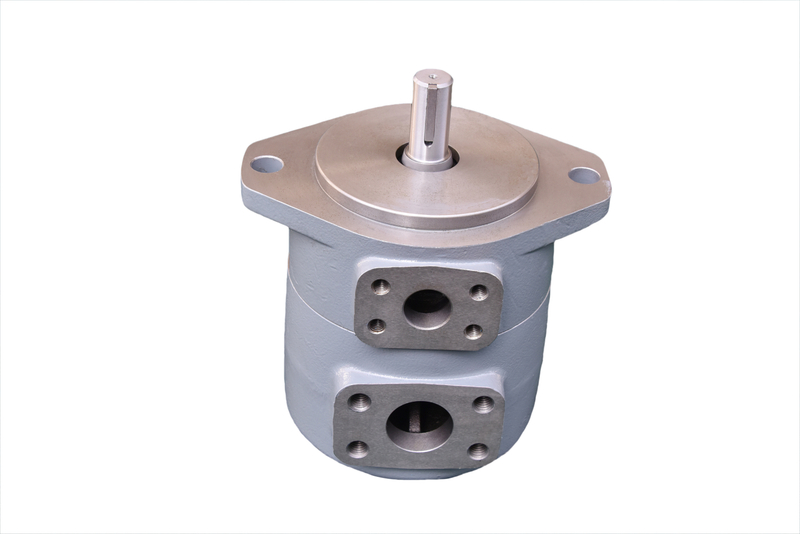
Centrifugal pumps operate based on the principle of kinetic energy. When the pump is activated, the impeller begins to rotate rapidly. This rotation creates a centrifugal force that pushes the fluid outward from the center of the impeller to the outer edges. As the fluid moves, it gains velocity, which is then converted into pressure, allowing the fluid to flow through the discharge pipe.
Understanding the components of a centrifugal pump helps clarify its operation. The main parts include:
● Impeller: The rotating component that imparts energy to the fluid.
● Casing: The outer shell that houses the impeller and directs the fluid flow.
● Suction and Discharge Ports: Openings that allow fluid to enter and exit the pump.
Component | Function |
Impeller | Increases fluid velocity and pressure |
Casing | Directs fluid flow and provides structural support |
Suction Port | Allows fluid to enter the pump |
Discharge Port | Enables fluid to exit the pump |
Centrifugal pumps exhibit unique performance characteristics that are essential for various applications. One key aspect is the relationship between flow rate and pressure. As the pressure in the system increases, the flow rate typically decreases. This inverse relationship is crucial for understanding how these pumps function under different conditions.
1. Flow Rate vs. Pressure: In many systems, if resistance increases (due to a closed valve or blockage), the flow rate will drop. This behavior is vital for applications that require precise fluid management.
2. Efficiency Under Varying Conditions: Centrifugal pumps are generally efficient when handling low-viscosity fluids. However, their performance can decline when pumping thicker liquids. It’s important to select the right pump based on the fluid’s viscosity to maintain efficiency.
When it comes to centrifugal pumps, several brands stand out for their quality and reliability. Keister Hydraulic is one of those brands, known for producing robust and efficient pumps suitable for various industries. Their centrifugal pumps are designed to meet high-performance standards, making them a trusted choice among professionals.
● Keister Pumps: They offer a range of models tailored for different applications, ensuring that users can find the right pump for their specific needs.
By understanding how centrifugal pumps work and their key characteristics, you can make informed decisions when selecting the appropriate pump for your application.
Rotary vane pumps operate using a positive displacement mechanism. When the pump is activated, a rotor spins inside a housing. This rotor has slots that hold several vanes, which slide in and out as the rotor turns. As the vanes move, they create expanding chambers that draw fluid into the pump and then compress it, pushing it out through the discharge port. This design ensures a consistent flow of fluid.
Understanding the components of a rotary vane pump helps clarify how it functions. The main parts include:
● Vanes: These are the sliding elements that expand and contract to create fluid chambers.
● Rotor: The central component that rotates and drives the vanes.
● Housing: The outer casing that contains the rotor and vanes, directing fluid flow.
Component | Function |
Vanes | Create chambers for fluid intake and discharge |
Rotor | Provides motion to the vanes |
Housing | Encloses the rotor and directs fluid flow |
Rotary vane pumps have distinct performance characteristics that set them apart. One major advantage is their ability to maintain a constant flow rate, regardless of pressure changes in the system. This feature is particularly beneficial in applications requiring steady fluid delivery.
1. Constant Flow Rate: Unlike centrifugal pumps, rotary vane pumps deliver a consistent volume of fluid even when the pressure fluctuates. This reliability is crucial in hydraulic systems and other applications where stability is essential.
2. Efficiency with Various Fluid Viscosities: These pumps can handle a wide range of fluid viscosities, from thin liquids to thicker substances. This versatility makes them suitable for many industries, including automotive and manufacturing.
When looking for reliable rotary vane pumps, Keister Hydraulic offers excellent options. Two notable models are:
● Keister V Series: This series is designed for compact applications, providing efficient fluid transfer in tight spaces. It is ideal for industrial settings where space is limited.
● Keister VQ Series: Known for its high efficiency and ability to handle varying pressures, this series is perfect for mobile equipment and hydraulic systems.
Model | Features | Applications |
Keister V Series | Compact design, efficient fluid transfer | Industrial settings, tight spaces |
Keister VQ Series | High efficiency, handles varying pressures | Mobile equipment, hydraulic systems |
By understanding how rotary vane pumps work and their key characteristics, you can effectively choose the right pump for your specific needs.
Centrifugal pumps and rotary vane pumps operate on fundamentally different principles. Centrifugal pumps utilize a kinetic mechanism, where energy is transferred to the fluid through the rotation of an impeller. This rotation generates a centrifugal force, propelling the fluid outward, increasing its velocity and pressure.
In contrast, rotary vane pumps employ a positive displacement mechanism. As the rotor spins, the vanes slide in and out, creating chambers that trap and push fluid. This method ensures a consistent flow regardless of pressure changes in the system.
The response of each pump type to system resistance reveals significant differences. Centrifugal pumps tend to decrease flow rate as pressure increases. If there is a blockage or resistance, the pump may struggle to maintain output, leading to potential cavitation or damage.
Pump Type | Flow Rate Behavior | Response to Resistance |
Centrifugal Pump | Decreases with increased pressure | May experience cavitation under high resistance |
Rotary Vane Pump | Maintains constant flow | Adjusts to pressure changes without loss of flow |
Rotary vane pumps excel in maintaining a steady flow, even under varying pressures. This characteristic makes them ideal for applications where consistent delivery is crucial, such as hydraulic systems.
When it comes to handling different viscosities, each pump type has its strengths. Centrifugal pumps generally perform well with low-viscosity fluids, such as water or light oils. However, their efficiency can drop when dealing with thicker liquids.
On the other hand, rotary vane pumps are versatile and can handle a wide range of viscosities. They perform efficiently with both low and high-viscosity fluids, making them suitable for applications in industries like food processing and chemical manufacturing.
Fluid Viscosity | Best Pump Type | Examples of Applications |
Low Viscosity | Centrifugal Pump | Water treatment, light oils |
High Viscosity | Rotary Vane Pump | Syrups, heavy lubricants |
Priming is another critical aspect where these pumps differ. Centrifugal pumps typically require manual priming to remove air and ensure proper operation. If they are not primed correctly, they can lose efficiency and may even run dry, leading to damage.
In contrast, rotary vane pumps often feature self-priming capabilities. This design allows them to draw fluid into the pump automatically, making them easier to use in various applications.
Maintenance needs vary between these two types of pumps. Centrifugal pumps usually require regular checks on seals and bearings, as wear can lead to leaks or reduced performance. While they are generally robust, they may need more frequent maintenance in demanding environments.
Rotary vane pumps, while also needing maintenance, are often easier to repair. The vanes can be replaced without disassembling the entire pump, which can save time and reduce downtime. Regular maintenance ensures longevity and optimal performance.
Pump Type | Maintenance Needs | Repair Ease |
Centrifugal Pump | Regular seal and bearing checks | More complex repairs |
Rotary Vane Pump | Vane replacements, general checks | Easier vane replacement |
Understanding these differences helps users select the right pump for their specific needs, ensuring optimal performance and efficiency in their applications.
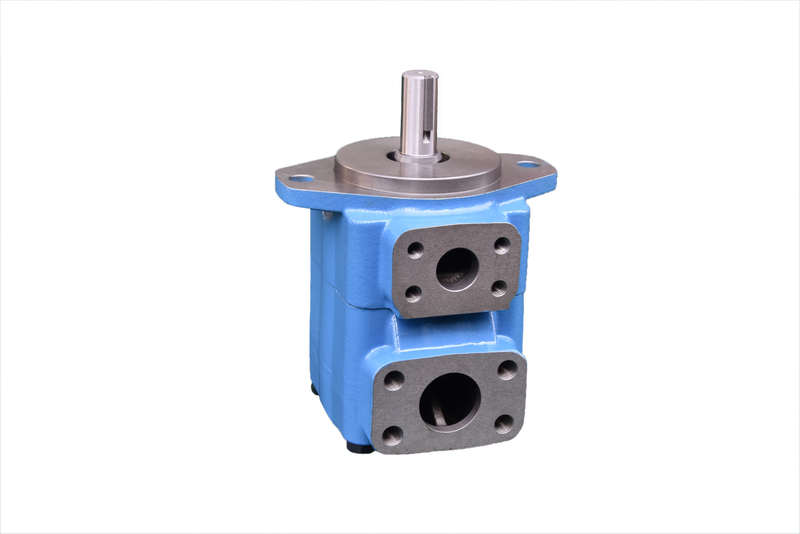
Centrifugal pumps are widely used across various industries due to their efficiency and reliability. Here are some common applications:
1. Water Supply: These pumps are essential in municipal water systems, providing a steady flow of water for residential and commercial use. They help transport water from treatment plants to distribution systems.
2. Sewage Treatment: In wastewater management, centrifugal pumps play a crucial role in moving sewage and sludge through treatment facilities. Their ability to handle large volumes makes them ideal for this application.
3. Industrial Fluid Transfer: Many industries rely on centrifugal pumps for transferring fluids in processes such as chemical manufacturing, food processing, and oil refining. They are effective in moving low-viscosity liquids quickly and efficiently.
Application | Description |
Water Supply | Transports treated water to consumers |
Sewage Treatment | Moves sewage and sludge in treatment facilities |
Industrial Fluid Transfer | Handles various fluids in manufacturing processes |
Rotary vane pumps are known for their versatility and reliability in specific applications. Here are some areas where they excel:
1. Hydraulic Systems: These pumps are widely used in hydraulic machinery, providing precise fluid control and consistent pressure. They are crucial in construction equipment and manufacturing machinery.
2. Automotive Applications: In vehicles, rotary vane pumps are often used for power steering systems and fuel delivery. Their ability to maintain a constant flow rate is vital for optimal vehicle performance.
3. Medical Equipment: Rotary vane pumps are essential in medical devices such as vacuum systems and anesthesia machines. They ensure reliable performance and precise fluid handling, which is critical in healthcare settings.
Application | Description |
Hydraulic Systems | Provides fluid control in machinery |
Automotive Applications | Powers steering and fuel delivery |
Medical Equipment | Ensures reliable fluid handling in devices |
Selecting the appropriate pump involves several factors. Here are some key considerations:
● Fluid Type: Different pumps handle various fluids differently. For example, if you're dealing with high-viscosity fluids, a rotary vane pump may be more suitable. Conversely, for low-viscosity liquids, a centrifugal pump might be the better choice.
● Pressure Requirements: Consider the pressure needs of your system. Rotary vane pumps maintain consistent pressure, making them ideal for applications requiring stability. Centrifugal pumps may struggle under high resistance conditions.
● Maintenance: Evaluate the maintenance needs of each pump type. Rotary vane pumps typically allow for easier repairs, while centrifugal pumps may require more frequent checks on seals and bearings.
Factor | Considerations |
Fluid Type | Choose based on viscosity and chemical properties |
Pressure Requirements | Assess the need for consistent pressure |
Maintenance | Consider ease of repair and frequency of upkeep |
By understanding the applications and factors involved in selecting pumps, you can make informed decisions that enhance efficiency and reliability in your operations.
Understanding the differences between centrifugal and rotary vane pumps is crucial. Each pump type has unique features suited for specific applications.
Making informed decisions ensures optimal performance in various industries.
For tailored solutions, it's essential to consult experts. Professional advice can help you choose the right pump for your needs.
A: Rotary vane pumps maintain a constant flow rate and handle a wide range of viscosities better than centrifugal pumps.
A: Centrifugal pumps generally struggle with high-viscosity fluids, while rotary vane pumps excel in these situations.
A: Centrifugal pumps need regular seal and bearing checks, while rotary vane pumps require less frequent maintenance and easier repairs.
A: Yes, both pumps can be used in systems requiring different flow characteristics or fluid types.
A: Consider factors like fluid type, pressure requirements, and maintenance needs to choose the appropriate pump.


