

Views: 0 Author: Site Editor Publish Time: 2025-12-26 Origin: Site


Have you ever wondered how machines maintain efficiency? Vane pumps play a crucial role in various industries, ensuring smooth operation.
In this article, we will explore what a vane pump is, its basic functions, and its historical development.
You’ll learn about key manufacturers like Zhejiang Keister Hydraulic Co., Ltd. and the evolution of vane pump designs.
A rotary vane pump consists of several core components, each playing a vital role in its operation. These components work together to create a reliable and efficient pumping mechanism.
1. Housing (Stator) The housing, or stator, is the outer shell of the pump. It provides structure and contains the rotor and vanes. This component is designed to withstand high pressures and provides a sealed environment for fluid movement.
2. Rotor The rotor is a cylindrical piece mounted eccentrically within the housing. It rotates, allowing the vanes to slide in and out of their slots. This movement creates varying volumes in the vane chambers, facilitating fluid suction and discharge.
3. Vanes Vanes are flat blades positioned within the rotor slots. As the rotor spins, these vanes slide outwards due to centrifugal force, maintaining contact with the housing walls. This action forms sealed chambers that trap and move the fluid through the pump.
4. Inlet and Outlet Ports The inlet and outlet ports are crucial for the pump's operation. The inlet port allows fluid to enter, while the outlet port enables discharged fluid to exit. Proper design and placement of these ports ensure efficient fluid flow.
When it comes to constructing a vane pump, material selection is essential. Common materials used include:
● Cast Iron: Known for its strength and durability, cast iron is often used for housings.
● Aluminum: Lightweight and resistant to corrosion, aluminum is suitable for components requiring less weight.
● Composite Materials: These can enhance performance and reduce wear.
The choice of material impacts both performance and durability. For example, using high-quality materials can lead to longer service life and reduced maintenance needs.
Material Type | Benefits | Drawbacks |
Cast Iron | High strength, durable | Heavier than alternatives |
Aluminum | Lightweight, corrosion-resistant | Less durable under high pressure |
Composite | Enhanced performance | May be more expensive |
Innovative design features can significantly enhance the efficiency of rotary vane pumps. Brands like Zhejiang Keister Hydraulic Co., Ltd. have pioneered several advancements, such as:
● Intra-Vane Cartridge Kits: This design allows for a more compact structure, facilitating easier installation and maintenance. It minimizes the space required for the pump and improves efficiency.
● Optimized Vane Design: Enhanced vane shapes reduce noise and increase volumetric efficiency, making the pump quieter and more effective in various applications.
These design innovations not only improve performance but also extend the life of the pump, ensuring reliable operation in demanding environments. By focusing on both materials and design, manufacturers can create vane pumps that meet the specific needs of different industries.
Understanding how a rotary vane pump operates is essential to appreciating its efficiency and effectiveness in various applications. The operation of a vane pump involves four distinct phases: suction, transfer, compression, and exhaust. Each phase plays a crucial role in moving fluids through the pump.
1. Suction Phase: How Fluid Enters the Pump During the suction phase, the rotor begins to turn, creating an expanding volume in the vane chambers. This expansion generates a vacuum that draws fluid into the pump through the inlet port. The design of the vanes ensures they maintain contact with the housing, preventing leakage and maximizing fluid intake.
2. Transfer Phase: Movement of Fluid Within the Pump Once the fluid enters, it is trapped between the vanes. As the rotor continues to turn, these vanes carry the fluid around the housing. The eccentric design of the rotor causes the volume of the chamber to change, effectively transferring the fluid toward the discharge side. This movement is smooth and continuous, ensuring efficient fluid transfer.
3. Compression Phase: Increasing Fluid Pressure In the compression phase, the rotor's movement reduces the volume of the vane chambers. This compression increases the pressure of the fluid, preparing it for discharge. The design of the rotor and vanes, particularly in brands like Keister, enhances this phase by ensuring consistent pressure without fluctuations.
Phase | Description | Key Features |
Suction | Fluid is drawn into the pump | Vacuum created by rotor motion |
Transfer | Fluid is moved through the pump | Continuous flow between vanes |
Compression | Fluid volume is reduced, pressure increases | Eccentric rotor design |
Exhaust | Fluid exits the pump | High-pressure discharge |
4. Exhaust Phase: Fluid Exit and Pressure Release Finally, during the exhaust phase, the compressed fluid is forced out through the outlet port. The design of the pump ensures that almost all of the fluid is expelled, minimizing residual fluid and maximizing efficiency. The smooth transition from compression to exhaust is vital for maintaining the pump's overall performance.
To better understand the working mechanism of a rotary vane pump, visual aids can be incredibly helpful. Diagrams and animations provide clear insights into how each phase operates. Here are some resources:
● Illustrative Diagrams: Refer to the diagrams above for visual representations of each phase.
Zhejiang Keister Hydraulic Co., Ltd. has made significant advancements in vane pump technology. One notable improvement is their optimized vane tensioning system. This innovation enhances efficiency by ensuring the vanes maintain optimal contact with the housing. As a result, there is less noise during operation and improved overall performance.
These design enhancements not only contribute to quieter operation but also extend the life of the pump. By minimizing wear and tear, Keister's pumps deliver reliable performance across various applications, from industrial machinery to mobile equipment.
In summary, understanding the operational phases of a rotary vane pump reveals its efficiency and effectiveness. With innovations from leading manufacturers like Keister, these pumps continue to evolve, meeting the demands of modern industries.
Rotary vane pumps offer several key benefits, making them a popular choice in various industries. Their unique design allows for efficient operation, and they excel in applications requiring reliability and performance. Here’s a closer look at the advantages these pumps provide.
1. Self-Adjusting Capabilities One of the standout features of rotary vane pumps is their self-adjusting capabilities. As the vanes wear down, they automatically adjust to maintain contact with the pump housing. This ensures consistent performance over time, reducing the need for frequent maintenance.
2. Self-Priming Features These pumps are designed to be self-priming, which means they can start pumping fluid without needing to be manually filled. This feature is particularly beneficial in scenarios where the pump may need to operate intermittently or where fluid levels fluctuate.
3. Pulsation-Free Operation Unlike some other pump types, rotary vane pumps provide a smooth, pulsation-free flow of fluid. This characteristic is crucial for applications requiring precise fluid delivery, such as in hydraulic systems or in the food and beverage industry, where consistency matters.
When comparing rotary vane pumps to other common types, such as gear pumps and diaphragm pumps, several advantages become clear:
Pump Type | Advantages of Rotary Vane Pumps | Limitations of Other Types |
Gear Pumps | Better efficiency at varying flow rates | More prone to cavitation and pressure spikes |
Diaphragm Pumps | Quieter operation and less maintenance | Limited to lower pressure applications |
Rotary vane pumps are often preferred in situations where high efficiency and reliability are critical. For instance, in automotive applications, these pumps excel in power steering systems, where precise fluid control is essential.
Performance metrics are vital when evaluating the effectiveness of rotary vane pumps. Brands like Keister have established themselves by providing impressive specifications. Here are some key parameters to consider:
● Pressure Ratings: Keister’s rotary vane pumps can handle pressures up to 3000 psi, making them suitable for high-pressure applications.
● Efficiency: With an efficiency rating often exceeding 90%, these pumps minimize energy consumption while maximizing output.
● Flow Rates: Depending on the model, Keister pumps can achieve flow rates ranging from 1 to 100 gallons per minute, catering to diverse industrial needs.
These performance metrics highlight why rotary vane pumps are a preferred choice for many applications. Their ability to deliver consistent, reliable performance makes them ideal for demanding environments, ensuring that they meet the expectations of users across various industries.
Rotary vane pumps are versatile devices used across various industries due to their efficiency and reliability. These pumps excel in applications where precise fluid control is essential. Let’s explore some of the key industries and specific applications where vane pumps are commonly utilized.
1. Automotive Applications In the automotive sector, rotary vane pumps play a crucial role in systems like power steering and transmission fluid management. They provide the necessary pressure and flow for smooth operation. For example, in power steering systems, these pumps ensure that drivers experience effortless steering, enhancing safety and comfort.
2. Food and Beverage Industry Vane pumps are widely used in the food and beverage industry, particularly in applications like carbonated drink dispensers. Their ability to deliver consistent and pulsation-free flow makes them ideal for transferring sensitive liquids. This ensures that beverages maintain their quality and carbonation levels throughout the dispensing process.
3. Medical and Laboratory Uses In medical settings, rotary vane pumps are essential for devices such as vacuum ovens and autoclaves. These pumps create the necessary vacuum conditions for sterilization and drying processes. Their reliability in maintaining consistent pressure levels is vital for ensuring the safety and efficacy of medical equipment.
4. Industrial Applications Rotary vane pumps are also prominent in industrial applications, including chemical processing and dust extraction. They effectively handle various fluids, from chemicals to abrasives, while maintaining high efficiency. Their design allows for easy integration into existing systems, making them a preferred choice in manufacturing environments.
To illustrate the versatility of rotary vane pumps, here are some specific examples of their applications:
● Injection Molding Machines: Keister’s rotary vane pumps are integral to injection molding machines, providing precise fluid control for the injection process. This ensures consistent quality in molded products.
● CNC Machines: In CNC machining, these pumps deliver hydraulic fluid with precision, enhancing the accuracy and efficiency of machining operations. The reliability of vane pumps in this setting is crucial for maintaining production standards.
Industry | Application | Example Product |
Automotive | Power Steering | Hydraulic Power Steering Pumps |
Food and Beverage | Carbonated Drink Dispensers | Beverage Dispensing Systems |
Medical | Vacuum Ovens | Laboratory Sterilization Equipment |
Industrial | Chemical Processing | Dust Extraction Systems |
These examples highlight the adaptability of rotary vane pumps across various sectors. Their ability to perform reliably under different conditions makes them indispensable in many applications. Whether in automotive systems or food processing, these pumps continue to prove their worth in modern technology.
Proper maintenance and troubleshooting are essential for ensuring the longevity and efficiency of a rotary vane pump. Regular attention to these aspects can prevent costly downtime and repairs. Let’s delve into effective maintenance practices and how to address common issues.
To keep a vane pump operating smoothly, a routine maintenance schedule is crucial. Here are some recommended practices:
1. Recommended Maintenance Schedule
a. Daily Checks: Inspect for leaks and ensure all connections are secure.
b. Weekly Tasks: Check fluid levels and top off as necessary.
c. Monthly Inspections: Examine seals and check for signs of wear.
d. Quarterly Maintenance: Replace filters, lubricate moving parts, and perform a full system check.
2. Common Maintenance Tasks
a. Checking Seals: Regularly inspect seals for wear or damage. Worn seals can lead to leaks, which affect efficiency.
b. Lubrication: Ensure that all moving parts are adequately lubricated. This reduces friction and wear, extending the pump's lifespan.
c. Cleaning: Keep the pump and surrounding area clean to prevent debris from entering the system. This is especially important in industrial settings.
Even with regular maintenance, issues can arise. Here are signs of wear and tear, along with solutions for common problems:
Common Issue | Signs of Wear and Tear | Solutions |
Noise | Unusual sounds during operation | Check for loose components and lubricate |
Loss of Pressure | Inconsistent flow or reduced output | Inspect seals and replace if necessary |
Vibration | Excessive movement during operation | Ensure proper mounting and balance |
Overheating | Increased temperature during operation | Check for fluid levels and cooling system |
Leading manufacturers like Keister share valuable insights into effective maintenance strategies. Here are some tips based on their experiences:
● Documentation: Keep detailed records of maintenance activities. This helps track performance trends and identify recurring issues.
● Training: Ensure that personnel are trained in pump operation and maintenance. Understanding how to operate the pump correctly can prevent many common issues.
● Use Quality Parts: When replacing components, always opt for high-quality parts. This ensures compatibility and longevity, reducing the likelihood of future problems.
By following these maintenance practices and troubleshooting guidelines, operators can enhance the reliability of rotary vane pumps. Regular attention to these areas not only extends the life of the pump but also ensures optimal performance in various applications.
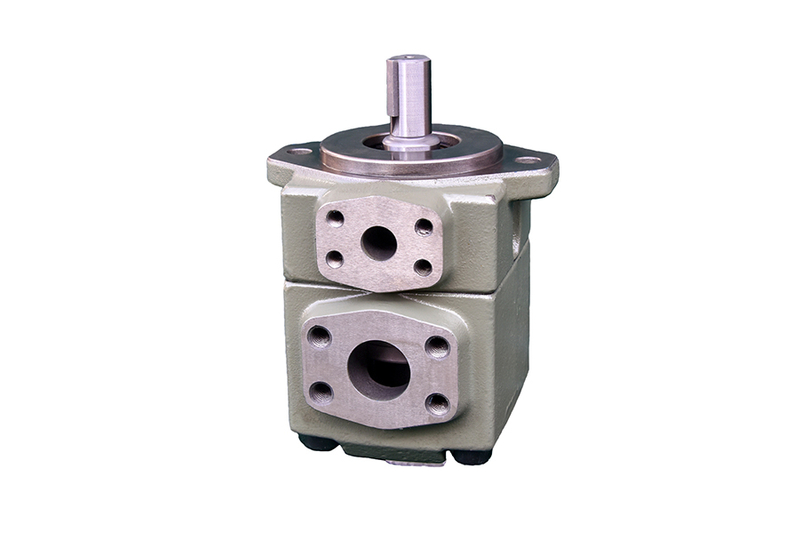
The field of vane pump technology is rapidly evolving, driven by recent advancements and a growing demand for efficiency and reliability. Innovations are reshaping how these pumps are designed and utilized across various industries. Let’s explore the latest trends and what the future holds for vane pumps.
1. Technological Improvements in Design and Materials Recent developments in materials science have led to the use of advanced composites and alloys in vane pump construction. These materials offer enhanced durability and resistance to wear, allowing pumps to operate under more demanding conditions. For instance, the introduction of ceramic coatings has significantly improved the lifespan of pump components, reducing maintenance needs.
2. Integration of Smart Technology in Vane Pumps The integration of smart technology is revolutionizing the way vane pumps operate. Many modern pumps now feature sensors that monitor performance metrics in real-time. This data can be analyzed to optimize operation, predict maintenance needs, and even automate processes. Smart pumps can communicate with other systems, enhancing overall efficiency and reducing downtime.
As we look to the future, several trends are emerging in the vane pump market:
● Predictions for the Vane Pump Market Analysts predict that the global vane pump market will continue to grow, driven by demand in sectors like automotive, food and beverage, and pharmaceuticals. The increasing focus on energy efficiency and sustainability will also propel innovation in pump design.
● Emerging Applications and Industries New applications are constantly being explored, particularly in renewable energy and electric vehicles. Vane pumps are being adapted for use in hydraulic systems for wind turbines and electric vehicle powertrains, showcasing their versatility.
Trend | Description | Impact on Industry |
Smart Technology | Real-time monitoring and automation | Increased efficiency and reduced costs |
Advanced Materials | Use of composites and alloys | Longer lifespan and reduced maintenance |
New Applications | Adaptation for renewable energy and EVs | Expansion into growing markets |
Research and development efforts are crucial for advancing vane pump technology. Companies like Keister are at the forefront of innovation, collaborating with universities to explore cutting-edge hydraulic technologies. These partnerships focus on developing new materials and designs that enhance pump performance and efficiency.
For example, Keister’s collaborations have led to breakthroughs in optimizing vane shapes and improving fluid dynamics within pumps. This research not only benefits their product line but also contributes to the overall advancement of hydraulic technology in various applications.
The future of vane pumps looks promising, with ongoing innovations paving the way for enhanced performance and new applications. As industries continue to evolve, these pumps will play a vital role in meeting the challenges of modern technology.
In summary, rotary vane pumps are essential tools in various industries. Understanding how they work is crucial for maximizing their benefits. Their versatility and efficiency make them ideal for applications in automotive, food, and medical fields.
We encourage you to explore further resources or contact experts for more information. Consider reputable brands like Keister when looking for quality vane pumps to ensure reliable performance.


