

Views: 0 Author: Site Editor Publish Time: 2026-01-23 Origin: Site


Have you ever wondered how hydraulic systems work efficiently? The answer often lies in the external gear pump.
These pumps are vital components in various industries, including construction and automotive. They ensure smooth fluid transfer, powering everything from hydraulic presses to injection molding machines.
In this post, we’ll discuss the essential parts of an external gear pump. You’ll learn how each component contributes to its overall function and reliability.
The heart of an external gear pump consists of two crucial components: the drive gear and the driven gear. The drive gear connects directly to the power source, such as an electric motor, while the driven gear rotates in response, creating the necessary suction to draw fluid into the pump. These gears are typically made from durable materials like steel or cast iron, which are essential for withstanding high pressures and minimizing wear over time.
The functionality of these gears is vital. As they mesh together, they create a vacuum at the inlet, allowing hydraulic fluid to be drawn in efficiently. This process ensures a steady flow, crucial for the performance of hydraulic systems. Keister Hydraulic’s external gear pumps are renowned for their high-quality gear designs, engineered specifically for durability and efficiency, making them a popular choice in various industrial applications.
The pump casing serves as a protective shell for the internal components of the external gear pump. It plays a critical role in maintaining structural integrity and preventing leaks. Common materials used for pump casings include cast iron, aluminum, and stainless steel. Cast iron provides exceptional strength, while aluminum reduces weight, making it easier to handle and install.
Proper sealing within the casing design is crucial, as it minimizes noise and prevents fluid leakage. A well-designed casing not only enhances operational efficiency but also extends the pump's lifespan. Keister’s innovative casing designs excel in noise reduction and corrosion resistance, contributing significantly to the longevity of their pumps, even in demanding environments.
Bearings are essential components that support the rotating shafts of the gears, allowing for smooth operation. They significantly reduce friction, which not only enhances the efficiency of the pump but also extends its lifespan. Typically, DU bearings are favored in external gear pumps due to their high performance and durability under load.
The quality of bearings directly impacts the overall efficiency of the pump. Keister’s SGP series features advanced bearing technology, designed to minimize friction and enhance reliability. This ensures that the pumps can operate continuously without premature wear, making them ideal for heavy-duty applications.
The drive shaft is another critical component responsible for transferring power from the motor to the gears. It must connect precisely to ensure optimal performance. Any misalignment can lead to increased wear or failure of the pump, which can be costly and time-consuming to repair.
Durability is paramount for the drive shaft, as it must handle continuous operation under varying loads without bending or breaking. A well-aligned drive shaft ensures efficient power transfer, enhancing the overall reliability and performance of the external gear pump.
Seals and gaskets play a vital role in preventing leaks and maintaining internal pressure within the pump. Various types of seals are employed, including mechanical seals and elastomer seals, each offering distinct advantages depending on the application and the type of fluid being handled.
Maintaining these seals is crucial for optimal pump performance. Regular checks for wear and timely replacements can prevent costly leaks, ensuring the pump operates effectively and efficiently. Proper sealing not only contributes to performance but also enhances safety by preventing hazardous fluid leaks.
The inlet and outlet ports are critical for fluid entry and exit in the pump. The design and size of these ports are essential for the pump's overall performance. Proper sizing ensures that the hydraulic system operates efficiently, preventing bottlenecks that can hinder fluid flow.
Keister’s SGP series incorporates a three-port design, allowing for flexible fluid connections. This adaptability makes it suitable for various applications, including construction equipment, hydraulic presses, and injection molding machines. The ability to customize port configurations enhances the versatility of these pumps in diverse industrial settings.
Component | Description | Material Used | Key Feature |
Gears | Drive and driven gears for fluid movement | Steel, cast iron | High durability and efficiency |
Pump Casing | Protects internal components | Cast iron, aluminum, stainless steel | Noise reduction and corrosion resistance |
Bearings | Support rotating shafts | DU bearings | Minimized friction for reliability |
Drive Shaft | Transfers power from motor to gears | Steel | Ensures alignment and durability |
Seals and Gaskets | Prevent leaks and maintain pressure | Mechanical, elastomer seals | Critical for efficient operation |
Inlet and Outlet Ports | Entry and exit points for fluid | Varies | Proper sizing for hydraulic efficiency |
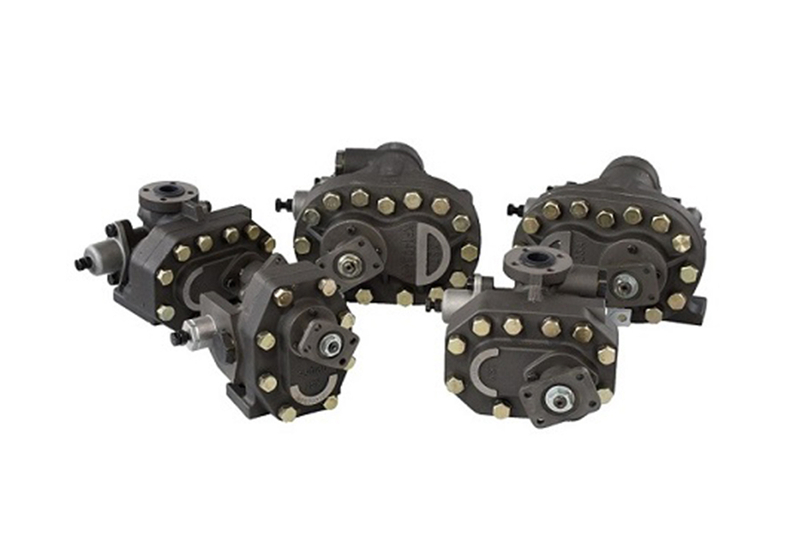
An external gear pump operates on a simple yet effective principle. It uses two gears, the drive gear and the driven gear, to create suction and discharge. As the drive gear rotates, it pulls fluid into the pump through the inlet port. This action creates a vacuum, allowing the hydraulic fluid to enter the spaces between the gears.
Once the fluid is drawn in, the meshing of the gears pushes it toward the outlet port. This process ensures a consistent flow of fluid, which is essential for various hydraulic applications. The efficiency of gear meshing is crucial; it determines how smoothly the fluid moves through the pump and ultimately affects the pump's performance.
External gear pumps offer several notable advantages, making them a popular choice in many industries. One of the key benefits is their ability to maintain consistent flow rates. Unlike some other pump types, they can deliver a steady volume of fluid, which is vital for applications requiring precise hydraulic pressure.
Durability and reliability are also significant factors. External gear pumps are designed to withstand harsh conditions and heavy usage. They perform well in diverse applications, from construction machinery to industrial equipment.
Cost-effectiveness is another advantage. Compared to other pump types, external gear pumps often provide a more economical solution for fluid transfer. Their efficient design leads to lower operational costs over time. Keister Hydraulic’s pumps exemplify this reliability, known for their high volumetric efficiency and durability, making them suitable for heavy-duty use.
Advantages | Description |
Consistent Flow Rates | Delivers a steady volume of fluid for precise control. |
Durability and Reliability | Designed to perform well in harsh conditions and heavy use. |
Cost-Effectiveness | Economical solution with lower operational costs over time. |
Regular maintenance is essential for ensuring the longevity and performance of an external gear pump. One of the most important tasks is to check seals and bearings frequently. These components are critical for preventing leaks and maintaining optimal pressure. If seals wear out, they can lead to fluid loss, which affects pump efficiency.
Cleaning filters is another vital maintenance step. Clogged filters can restrict fluid flow and cause overheating, leading to potential pump failure. Additionally, ensuring the oil quality is crucial. Using the right hydraulic fluid and checking for contamination can prevent damage and maintain smooth operation. Keister Hydraulic pumps come with specific maintenance guidelines that help users keep their systems running efficiently.
Even with regular maintenance, issues can arise. One common problem is irregular vibrations and noise from the pump. This can indicate misalignment or worn bearings. If you notice unusual sounds, it’s important to inspect the pump immediately. Adjusting the alignment or replacing worn parts can often resolve these issues.
Another frequent concern is low pressure or leaks. If the pump isn’t generating the expected pressure, it may be due to air trapped in the system or worn seals. To troubleshoot, start by checking for air in the lines and bleeding the system if necessary. If leaks occur, inspect seals and gaskets for wear and replace them as needed.
Common Issues | Potential Causes | Suggested Solutions |
Irregular vibrations and noise | Misalignment or worn bearings | Inspect alignment; replace bearings as needed |
Low pressure or leaks | Air in the system or worn seals | Bleed the system; check and replace seals |
Clogged filters | Contamination or debris in the hydraulic fluid | Clean or replace filters regularly |
By following these maintenance tips and being aware of common issues, you can ensure your external gear pump operates efficiently and reliably. Regular checks and timely repairs will help prevent costly breakdowns and extend the life of your equipment.
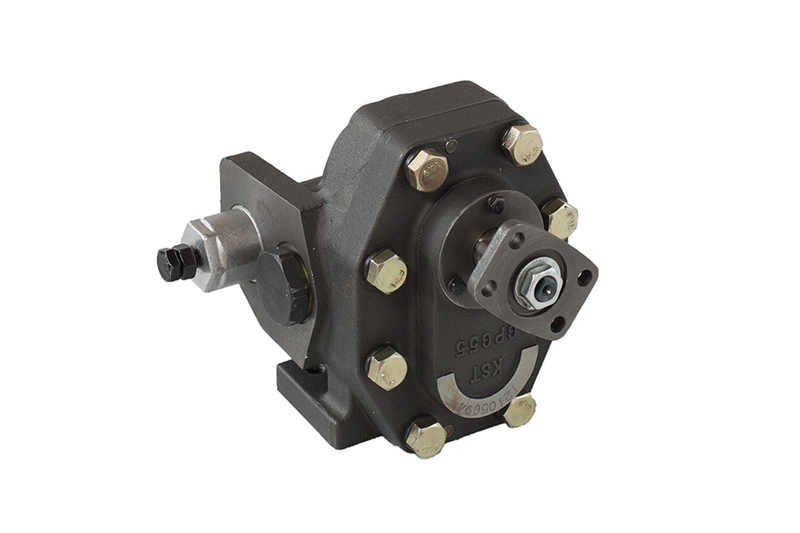
The future of external gear pumps looks promising, largely due to significant technological advancements. One major trend is the integration of the Internet of Things (IoT) for real-time performance monitoring. By equipping pumps with smart sensors, operators can track parameters like pressure, temperature, and flow rates remotely. This capability allows for predictive maintenance, reducing downtime and improving operational efficiency.
Another exciting development is the focus on energy-efficient models. Manufacturers are innovating designs that not only enhance performance but also reduce energy consumption. This shift towards efficiency is crucial in today’s competitive market, where operational costs are a top priority. Keister Hydraulic stands out in this area, committed to innovation by focusing on eco-friendly and efficient pump designs that meet the demands of modern industries.
Sustainability is becoming a central theme in pump manufacturing. Many companies are now prioritizing the use of eco-friendly materials and fluids in their products. This trend reflects a broader industry shift towards sustainable practices, aiming to minimize environmental impact while maintaining high performance.
For instance, the adoption of biodegradable hydraulic fluids is on the rise, reducing the ecological footprint of hydraulic systems. Additionally, manufacturers are exploring recyclable materials for pump components, which contributes to a circular economy.
Future Trends | Description | Brand Insight |
IoT Integration | Real-time monitoring for improved efficiency | Keister focuses on smart solutions for pumps |
Energy-Efficient Models | Designs that reduce energy consumption | Commitment to eco-friendly innovations |
Eco-Friendly Materials | Use of sustainable materials and fluids | Leading the way in environmentally responsible manufacturing |
As the industry evolves, these trends will play a crucial role in shaping the future of external gear pumps, ensuring they remain efficient, reliable, and environmentally friendly.
In summary, an external gear pump consists of essential parts like gears, bearings, and seals. Each component plays a vital role in fluid transfer and pump efficiency. Understanding these parts helps users maintain and operate pumps effectively.
It's crucial to recognize the importance of proper installation and maintenance. Consulting professionals can ensure optimal performance and longevity for your external gear pump. This knowledge empowers users to make informed decisions for their hydraulic systems.
A: External gear pumps are commonly used in hydraulic systems, construction machinery, and industrial equipment for fluid transfer.
A: Consider factors like flow rate, pressure requirements, and the type of fluid to select the appropriate external gear pump.
A: Regularly check seals and bearings, clean filters, and ensure oil quality to maintain optimal performance.
A: Yes, external gear pumps are effective for transferring high-viscosity fluids due to their robust design and efficient operation.
A: External gear pumps offer consistent flow rates, high durability, and cost-effectiveness, making them ideal for various industrial applications.


