

Views: 0 Author: Site Editor Publish Time: 2025-07-17 Origin: Site


Industrial systems rely on efficient and reliable fluid handling equipment to maintain smooth operations. Among the many types of pumps available, internal gear pumps have become a preferred choice in numerous industries due to their robust performance, versatility, and precision. From chemical processing and lubrication systems to food production and hydraulic machinery, internal gear pumps provide solutions that combine efficiency with durability.
In this article, we explore the top advantages of using internal gear pumps in industrial systems, highlighting why engineers and plant managers choose them for both new installations and system upgrades.
One of the primary benefits of internal gear pumps is their ability to provide a smooth, non-pulsating flow. Unlike external gear or piston pumps, internal gear pumps deliver fluid with minimal pulsation, which is crucial for applications that require precise dosing, controlled mixing, and steady fluid transfer.
In chemical dosing or metering systems, smooth flow ensures accurate chemical proportions and consistent reactions.
In lubrication and hydraulic systems, continuous flow prevents pressure spikes, protecting sensitive components from sudden load changes.
For viscous fluids like oils, resins, or syrups, internal gear pumps maintain flow consistency, preventing turbulence or cavitation.
The ability to maintain uniform flow improves overall system efficiency, reduces mechanical stress on pipes and valves, and enhances product quality in manufacturing processes.
Internal gear pumps are particularly effective for handling high-viscosity liquids. Industrial systems often need to pump heavy oils, adhesives, resins, or polymer solutions, which can be challenging for other pump types.
The internal gear design allows the pump to maintain high volumetric efficiency even with thick fluids.
Adjustable clearances and robust rotor designs ensure smooth operation without excessive heat buildup or energy loss.
These pumps can also handle thinner fluids, providing flexibility across multiple process lines.
By accommodating a wide range of viscosities, internal gear pumps reduce the need for multiple pump types and simplify system design, while maintaining reliable performance.
Internal gear pumps are engineered for long-term durability, making them a reliable choice for industrial systems that operate continuously or under demanding conditions. The internal components—rotors, gears, and bearings—are designed to withstand high pressure, repeated start-stop cycles, and abrasive or viscous fluids without failure.
Several key features contribute to the extended lifespan of internal gear pumps:
High-quality materials: Many internal gear pumps use hardened steel, stainless steel, or chemically resistant alloys, which minimize wear, resist corrosion, and provide superior mechanical strength. These materials ensure that the pump can handle both standard and aggressive fluids over prolonged periods.
Precision engineering: Tight tolerances and optimized gear meshing reduce internal leakage and maintain volumetric efficiency. This precision not only improves performance but also minimizes stress on components, preventing premature wear.
Robust construction: Heavy-duty casing, reinforced shafts, and carefully designed bearings allow the pump to handle high pressure and mechanical stress reliably. Even under fluctuating loads, these pumps maintain smooth operation without deformation or failure.
For industrial plants, these durability features translate into fewer pump replacements, lower maintenance costs, and more consistent operation over the years. Plants that invest in high-quality internal gear pumps benefit from increased uptime, reduced downtime due to maintenance, and predictable performance—critical factors in maintaining production efficiency and protecting other system components.
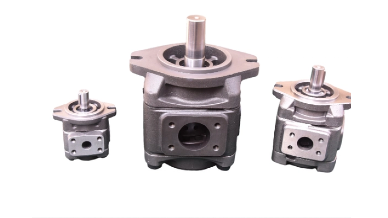
Energy efficiency is another significant advantage of internal gear pumps. These pumps are designed to convert most of the input power into useful fluid movement, reducing wasted energy and improving overall system performance.
The operational benefits of energy-efficient internal gear pumps include:
Lower energy consumption: Smooth internal operation reduces friction and heat generation, which is especially important for systems that operate continuously. This allows plants to save significantly on electricity bills.
Reduced operational costs: Less energy loss means lower electricity expenditure and reduced wear on the pump itself. Additionally, lower heat generation decreases the load on auxiliary cooling systems, further saving energy and operational expenses.
Optimized process performance: Efficient flow control ensures precise dosing, consistent fluid transfer, and reliable pressure management, which is crucial in chemical processing, food and beverage production, and hydraulic systems.
Beyond cost savings, energy efficiency contributes to a plant’s environmental sustainability goals by reducing overall energy consumption and minimizing the carbon footprint of industrial operations. By combining durable construction with energy-efficient design, internal gear pumps deliver long-term value, reliable performance, and sustainable operation for demanding industrial applications.
Internal gear pumps are suitable for a wide range of industrial applications:
Chemical processing: Pumping acids, bases, solvents, and viscous compounds safely and efficiently.
Lubrication systems: Providing consistent flow for machinery lubrication and hydraulic circuits.
Food and beverage processing: Handling syrups, oils, and other viscous food-grade liquids.
Petrochemical and oil industries: Transferring crude oil, lubricants, and polymer solutions.
Marine and offshore applications: With appropriate materials, pumps handle corrosive and high-pressure environments.
This versatility makes internal gear pumps a cost-effective choice, reducing the need for specialized pumps for different fluids.
Many industrial facilities have limited floor space, and internal gear pumps are known for their compact footprint:
Modular designs allow easy installation in tight spaces.
Lightweight construction simplifies integration with existing piping and control systems.
Smaller size does not compromise performance, allowing high flow rates in limited areas.
This space efficiency is particularly valuable in retrofitting existing plants or designing modular production lines.
Internal gear pumps operate quietly and smoothly, which is advantageous in industrial environments where vibration and noise can affect both equipment longevity and operator comfort:
Balanced gear design minimizes vibration, reducing wear on surrounding equipment.
Low-noise operation improves working conditions for plant personnel.
Reduced vibration contributes to longer life for pipes, fittings, and system components.
Maintenance is a critical factor in industrial operations, and internal gear pumps are designed for ease of service:
Many models feature modular construction, allowing replacement of wear parts like gears, vanes, or seals without removing the entire pump.
Lubrication and access points are designed for convenient inspection and servicing.
Durable materials and precision manufacturing reduce the frequency of maintenance interventions.
Implementing preventive maintenance strategies, including fluid checks, filter replacement, and routine inspections, ensures reliable performance and minimizes unplanned downtime.
Internal gear pumps enhance operational safety by providing controlled, predictable flow and pressure:
Smooth, non-pulsating flow reduces the risk of pressure surges or pipe bursts.
Corrosion-resistant materials prevent leaks and chemical contamination.
Reliable operation ensures consistent performance in critical processes, protecting both equipment and personnel.
These safety features make internal gear pumps suitable for handling hazardous or high-value fluids, ensuring compliance with industrial safety standards.
Internal gear pumps offer a unique combination of efficiency, versatility, and reliability that makes them indispensable in modern industrial systems. From smooth, consistent flow and high viscosity handling to energy savings, low noise, and ease of maintenance, the advantages are clear.
For industrial operators seeking durable, high-performance internal gear pumps or expert guidance on integrating them into complex systems, Zhejiang Keister Hydraulic Co., Ltd. provides reliable products and professional support tailored to industrial applications. To learn more about their range of internal gear pumps and hydraulic solutions, visit Zhejiang Keister Hydraulic Co., Ltd. or contact their team directly.


