

Views: 525 Author: Site Editor Publish Time: 2026-02-15 Origin: Site


In the world of heavy machinery and industrial manufacturing, the hydraulic pump serves as the literal heart of the system. Whether you are operating a high pressure construction excavator or a precision low noise vane system in a factory, a pump failure doesn't just mean a minor inconvenience—it means expensive downtime and potential safety hazards. Understanding why these components fail is the first step toward building a more resilient operation.
Most operators assume that when a hydraulic pump stops working, the unit itself was faulty. However, systemic issues usually cause these breakdowns. By identifying early warning signs like unusual vibrations, excessive heat, or erratic movement, you can intervene before a small leak becomes a catastrophic blowout. This guide dives deep into the five most common failures, providing actionable troubleshooting steps to get your equipment back online.
Aeration and cavitation are often confused, but both involve air or vapor bubbles imploding within the hydraulic pump. This process erodes internal metal surfaces, leading to rapid component degradation.
Aeration: Occurs when outside air enters the suction line. It makes the fluid look "milky" and causes a high-pitched banging noise.
Cavitation: Occurs when the pump cannot get enough fluid, creating a vacuum that causes vapor bubbles to form. It sounds like the pump is "pumping marbles."
Check Fluid Levels: Ensure the reservoir is full to prevent air from being sucked in.
Inspect Seals: Replace worn shaft seals or O-rings on the suction side.
Clean the Strainer: A clogged inlet strainer is a primary cause of cavitation in a variable displacement pump.
Bleed the System: Use bleed valves to remove trapped air after any maintenance or fluid change.
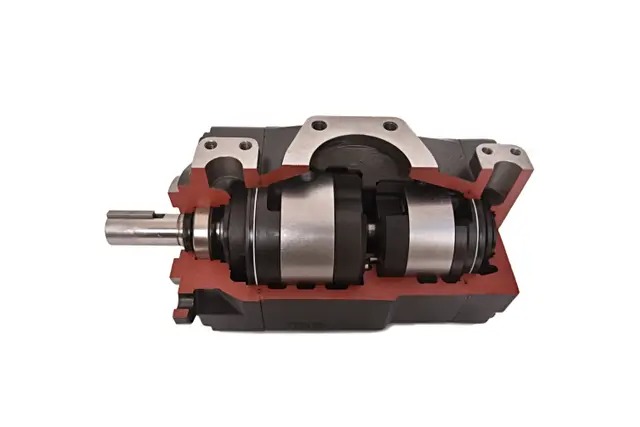
If the fluid is the "blood" of the system, contamination is like an infection. Even microscopic particles can score the precision-machined surfaces of a low noise vane pump, reducing efficiency and increasing internal friction.
Particulate: Metal shavings, dust, or sand.
Chemical: Water or air mixing with the oil, leading to oxidation.
Thermal: Overheating that breaks down the oil’s viscosity.
To fix contamination issues, you must go beyond just changing the oil. You need to flush the entire system. Install high-quality filters and ensure they are changed according to the manufacturer's schedule. For 12v dc electric units used in mobile applications, check that the breather cap is clean, as these often operate in dusty environments.
| Contaminant Type | Impact on Pump | Fix / Solution |
| Water | Corrosion & Loss of Lubricity | Install Water-Absorbing Filters |
| Metal Chips | Scoring of internal parts | Flush system & Check Magnetic Plugs |
| Air | Cavitation & Spongy Response | Tighten Suction Line Fittings |
Heat is the enemy of any high pressure system. When a hydraulic pump runs too hot, the oil thins out, leading to increased "slip" or internal leakage. This creates a vicious cycle: more heat is generated as fluid escapes past seals, further thinning the oil.
Most overheating stems from a lack of cooling or a relief valve stuck in the "open" position. In a two stage pump system, if the high-volume stage fails to unload properly, the system generates massive amounts of wasted energy that manifests as heat.
Clean the Heat Exchanger: Ensure the radiator fins are free of debris.
Check Relief Valves: Use a flow meter to ensure valves are set to the correct PSI.
Verify Viscosity: Ensure the oil used matches the operating temperature of your environment.
Sometimes the failure isn't inside the hydraulic pump, but how it connects to the motor. Misalignment between the pump shaft and the drive motor puts immense radial load on the bearings.
Rapid wear of the drive shaft keyway.
Frequent leaks from the front shaft seal.
Increased vibration and noise.
Use a laser alignment tool to ensure the pump and motor are perfectly concentric. For variable displacement pumps, ensure the mounting flange is tightened evenly. If the pump was overloaded, check the system pressure settings; pushing a pump beyond its rated high pressure limits will eventually snap the internal piston slippers or vanes.
Every hydraulic pump has a lifespan. Over time, the friction between moving parts—such as the vanes in a low noise vane pump or the pistons in a variable displacement unit—causes tolerances to widen.
When a pump reaches the end of its life, it loses the ability to maintain pressure under load. You might notice the machine slows down as it gets hotter. This is because "internal leakage" increases as the gaps between the rotating group and the port plate grow.
Regular Fluid Analysis: Test your oil every 500–1000 hours to catch wear metals early.
Soft Starts: Use electronic controls for 12v dc electric pumps to prevent sudden pressure spikes.
Component Replacement: Don't wait for total failure. Replace seals and wear plates during scheduled downtime.
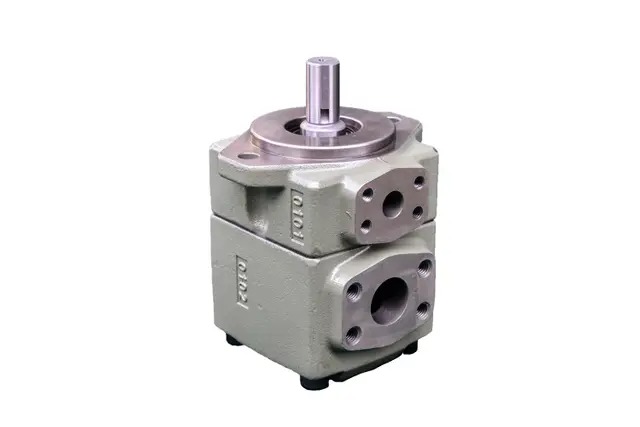
A brand-new hydraulic pump can fail within the first five seconds if it isn't primed correctly. This is known as "dry starting," and it’s a common mistake in both field repairs and factory settings.
Internal components rely on the hydraulic fluid for lubrication. Without it, metal-on-metal contact creates instant scarring. This is particularly dangerous for high pressure pumps where tolerances are incredibly tight.
Fill the Case: Always fill the pump housing with clean oil through the uppermost drain port before starting.
Check Rotation: Verify the motor is turning in the direction indicated by the arrow on the pump housing.
Jog the Motor: Turn the system on and off in short bursts to allow fluid to circulate before applying a full load.
While internal leaks affect performance, external leaks are a safety and environmental nightmare. Most external leaks on a hydraulic pump occur at the shaft seal or the housing gaskets.
Pressure Spikes: Sudden surges can "blow out" a seal.
Heat: Excessive temperatures harden the rubber, making it brittle.
Contamination: Dirt on the shaft can act like sandpaper, grinding away the seal lip.
If you see oil weeping from the shaft, replace the seal immediately. For 12v dc electric pumps used in mobile lifts, ensure the shaft is clean and free of rust. Using high-quality Viton or Nitrile seals can significantly improve the longevity of your high pressure connections.
To fix a hydraulic pump, you first have to diagnose it accurately. Guesswork leads to "parts changing," which is expensive and often doesn't solve the root cause.
Pressure Gauges: To monitor if the pump hits its rated high pressure.
Flow Meters: To check for internal bypass and efficiency.
Ultrasonic Sensors: To detect early signs of cavitation or bearing failure.
Infrared Thermometers: To find "hot spots" that indicate localized friction.
Create a checklist for your team. Daily checks should include fluid levels and visual inspections for leaks. Monthly checks should involve testing the cycle times of your machinery. If a two stage pump starts taking longer to complete a cycle, it's a clear indicator that internal efficiency is dropping.
At our facility, we don't just sell hardware; we provide the engineering backbone for your industrial success. As a leading manufacturer specializing in low noise vane technology and high pressure solutions, we operate a state-of-the-art factory where precision is our primary language. We understand that for our B2B clients, a hydraulic pump is a critical investment that must deliver consistent ROI.
Our production lines utilize advanced CNC machining and rigorous testing benches to ensure every variable displacement or two stage pump meets international standards before it leaves our floor. We pride ourselves on our technical depth, offering customized OEM services for specialized 12v dc electric applications. When you partner with us, you are gaining a collaborator dedicated to reducing your downtime and optimizing your system's efficiency through superior manufacturing.
Mastering the maintenance of your hydraulic pump is about moving from a "fix it when it breaks" mindset to a "prevent it from failing" strategy. Whether you are dealing with the complexities of a variable displacement system or the rugged simplicity of a 12v dc electric unit, the principles remain the same: keep the fluid clean, keep the system cool, and ensure everything is aligned. By addressing the top five failures—aeration, contamination, heat, misalignment, and wear—you ensure your equipment remains a reliable asset rather than a liability.
Q: Why is my hydraulic pump making a high-pitched whining noise?
A: This is usually a sign of aeration (air in the fluid) or cavitation (vacuum at the inlet). Check your suction lines for leaks and ensure your filters are not clogged.
Q: Can I use motor oil in my high pressure hydraulic system?
A: No. Hydraulic pump fluid contains specific anti-wear and anti-foaming additives that motor oil lacks. Using the wrong fluid will lead to rapid component failure.
Q: How often should I change the filters in my variable displacement system?
A: Generally, every 500 to 1,000 hours, or whenever the "filter clogged" indicator triggers. Frequent filter changes are much cheaper than a new pump.
Q: My 12v dc electric pump is running but not moving the cylinder. What's wrong?
A: It could be a sheared coupling between the motor and the pump, a stuck relief valve, or the pump has lost its prime.
Q: What is the benefit of a low noise vane pump?
A: These are designed for indoor environments where worker comfort is a priority. They use specialized cam ring profiles to reduce pressure ripples and noise.


