

Views: 0 Author: Site Editor Publish Time: 2025-10-15 Origin: Site


Hydraulic systems are essential in a wide range of industries, from construction and manufacturing to automotive and marine applications. At the heart of many of these systems lies the vane pump, a versatile and efficient device that ensures smooth fluid delivery and consistent system performance. Understanding the role of vane pumps in hydraulic systems helps engineers, technicians, and plant managers optimize productivity, reduce energy consumption, and maintain equipment reliability.
A vane pump is a type of positive displacement pump that uses rotating vanes mounted in a rotor to move fluid. As the rotor spins inside the pump housing, the vanes extend and retract to create a series of expanding and contracting chambers. This mechanism draws hydraulic fluid into the pump, transports it through the housing, and delivers it under pressure to hydraulic actuators and components.
Vane pumps are widely favored for several reasons:
Smooth and consistent flow
High efficiency across a range of operating conditions
Compact design that fits well into limited spaces
Ability to handle moderate to high pressures with relatively low noise
The operation of a vane pump revolves around three key steps:
Suction Phase
As the rotor rotates, the vanes slide outward due to centrifugal force or spring pressure, creating an expanding chamber that draws hydraulic fluid from the reservoir.
Transport Phase
The trapped fluid is carried around the perimeter of the pump housing. The vanes maintain close contact with the pump walls, minimizing internal leakage and ensuring that the fluid moves efficiently.
Discharge Phase
The vanes retract as the chamber contracts, forcing the fluid out under pressure and into the hydraulic circuit. This cycle repeats continuously, providing a steady and reliable flow of hydraulic fluid.
Some modern vane pumps include variable displacement designs, allowing flow rates to adjust dynamically to system demand, improving energy efficiency.
High Efficiency and Low Energy Loss
Vane pumps are designed to maintain consistent hydraulic pressure while minimizing internal leakage, which directly contributes to energy efficiency. The precise engineering of the rotor, vanes, and pump housing reduces friction and ensures nearly all the input energy is converted into useful fluid movement. Additionally, modern variable displacement vane pumps dynamically adjust flow according to system demand, avoiding over-pressurization and unnecessary motor load. This not only lowers energy consumption but also reduces heat generation, which can prolong the life of both the pump and connected components.
Smooth Operation
One of the standout advantages of vane pumps is their ability to deliver a near-pulsation-free flow. This smooth fluid movement minimizes vibrations throughout the hydraulic system, which helps protect sensitive components such as valves, actuators, and cylinders from premature wear. Reduced vibration also contributes to quieter operation and improved precision in systems where controlled, steady motion is critical, such as in robotics, material handling, or injection molding machinery.
Compact and Lightweight Design
Compared with gear or piston pumps delivering similar capacities, vane pumps are notably more compact and lightweight. This makes them especially suitable for mobile applications like construction machinery, agricultural equipment, and automotive systems, where space and weight constraints are critical. Their smaller footprint also facilitates easier integration into existing machinery or retrofitting into hydraulic circuits without major design modifications.
Noise Reduction
Modern vane pumps are engineered to operate quietly, a feature that is increasingly important in industrial environments, indoor manufacturing facilities, or mobile equipment where operator comfort and compliance with noise regulations are concerns. Quiet operation is not only beneficial for the work environment but also indicates smoother internal movement, lower mechanical stress, and longer-lasting components.
Reliability and Durability
Vane pumps offer high reliability, with robust designs that handle moderate contamination, variable operating temperatures, and fluctuating pressures. When properly maintained, these pumps can provide years of uninterrupted service. Their durability makes them suitable for demanding industrial applications where downtime can be costly, such as in continuous production lines, heavy machinery, or energy generation equipment.
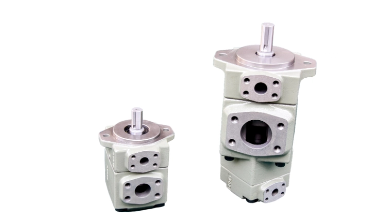
Vane pumps are highly versatile and widely used across numerous industries due to their adaptability and performance:
Industrial Machinery
Vane pumps power injection molding machines, presses, stamping equipment, and other industrial machinery requiring precise and reliable hydraulic pressure. The smooth, adjustable flow they provide ensures consistent quality in production processes, reducing defects and improving operational efficiency.
Mobile Equipment
Excavators, loaders, forklifts, and agricultural machinery depend on vane pumps to control hydraulic cylinders and motors. Smooth operation allows for precise movements, safer operation, and better handling of variable loads in the field.
Automotive Systems
Vane pumps are commonly used in power steering units, hydraulic lifts, and other vehicle hydraulic systems. Their compact size, reliability, and precise flow control ensure consistent performance in both passenger and commercial vehicles.
Marine Applications
In marine environments, vane pumps drive deck machinery, steering systems, and lifting equipment. Corrosion-resistant designs and robust construction allow them to withstand saltwater exposure, high humidity, and continuous operation in challenging conditions.
Energy and Utility Equipment
Hydraulic vane pumps are integral to turbines, wind energy systems, and utility machinery, providing precise control over hydraulic functions. Their ability to maintain stable performance under fluctuating loads and harsh operational conditions makes them essential for reliable energy and utility operations.
Emerging Industrial Automation
With Industry 4.0 trends, vane pumps are increasingly integrated with smart sensors and IoT systems. They can now provide real-time feedback on pressure, flow, and temperature, enabling predictive maintenance, optimizing energy use, and enhancing overall system efficiency.
To maximize the life and performance of a vane pump, proper maintenance is essential:
Regular Fluid Checks: Ensure hydraulic fluid is clean, properly filtered, and maintained at the correct viscosity. Contaminated fluid is a primary cause of vane pump wear.
Inspect for Wear and Leakage: Monitor pump efficiency and check for unusual noises, vibrations, or drops in system pressure.
Temperature Management: Avoid operating beyond recommended temperature ranges, which can accelerate wear and degrade fluid quality.
Scheduled Servicing: Replace worn vanes, seals, and bearings according to manufacturer guidelines. Regular inspection prevents unexpected failures.
Alignment and Mounting: Ensure the pump is properly mounted and aligned with the drive motor to minimize stress on the shaft and internal components.
Hydraulic systems continue to evolve, and vane pumps are adapting to meet modern demands:
Variable Displacement Technology: Allows flow rates to adjust in real-time, reducing energy waste and improving efficiency.
Integrated Sensors and IoT Monitoring: Some vane pumps now include sensors that monitor pressure, temperature, and vibration, enabling predictive maintenance.
Improved Materials and Coatings: Advanced alloys and surface treatments increase wear resistance, corrosion protection, and overall pump longevity.
Noise Reduction Designs: Optimized rotor and vane geometry reduces acoustic emissions further, making hydraulic systems quieter.
Vane pumps are a cornerstone of modern hydraulic systems, providing the perfect balance of efficiency, reliability, and versatility. Their ability to deliver smooth, precise, and consistent hydraulic flow makes them ideal for industrial, mobile, and automotive applications. Proper design selection, operation, and maintenance ensure long-lasting performance and reduced energy consumption.
For businesses seeking high-quality vane pumps and expert guidance in hydraulic solutions, visiting Zhejiang Keister Hydraulic Co., Ltd. offers a wealth of options and support. Their expertise ensures you can select pumps that meet your operational needs while maximizing efficiency and reliability in your hydraulic systems.


