

Views: 0 Author: Site Editor Publish Time: 2025-08-21 Origin: Site


Industrial systems depend on precise, reliable, and efficient fluid handling equipment to ensure smooth operations. Among the many pump technologies available, the external gear pump has proven to be a workhorse in applications that require the transfer and circulation of fuels, oils, and other low- to medium-viscosity fluids. Known for their robust design, precise flow rates, and durability, external gear pumps continue to play a central role in industries ranging from energy and automotive to marine and heavy manufacturing.
In this article, we will explore the working principle of external gear pumps, their applications in fuel transfer and oil circulation systems, the key advantages they offer, and why they remain a trusted solution for engineers and system designers.
Extenal gear pumps are a type of positive displacement pump that uses two meshing gears to move fluid. As the gears rotate, fluid is drawn into the spaces between the gear teeth and the casing, then carried around the outside of the gears from the inlet to the outlet. The meshing of the gears prevents fluid from flowing backward, ensuring consistent displacement with every revolution.
Key Characteristics:
Accurate and consistent flow: Each rotation displaces a fixed volume, making these pumps highly predictable.
Simplicity of design: Fewer moving parts compared to other pump types reduces potential failure points.
High pressure capability: Extenal gear pumps can generate substantial pressures, making them suitable for fuel injection and circulation.
Versatility: They can handle various fluids, from light fuels to lubricating oils.
Fuel transfer is a critical operation in industries such as transportation, energy production, marine, and aviation, where reliability and safety are paramount. Extenal gear pumps excel in this domain due to their precision, durability, and ability to handle continuous duty cycles.
Functions in Fuel Transfer:
Consistent Flow Delivery: Extenal gear pumps provide smooth, predictable flow, ensuring steady supply of fuel to engines, burners, or storage tanks. This is crucial for preventing air bubbles, cavitation, or inconsistent combustion.
High Pressure Capability: Many fuel systems require pressurized delivery, especially in injection systems. Extenal gear pumps are capable of maintaining these pressures reliably.
Handling Various Fuels: From diesel and gasoline to kerosene and biodiesel, extenal gear pumps handle a wide range of fuels without compromising performance.
Safe and Reliable Transfer: With tight tolerances and minimal leakage, extenal gear pumps reduce the risks of spillage or vapor emissions, ensuring compliance with safety regulations.
Industry Examples:
Automotive: Used in fuel delivery systems for diesel and gasoline engines.
Power Generation: Transferring fuel oils to generators or turbines for continuous operation.
Marine Applications: Supplying engines and auxiliary systems on vessels with reliable fuel flow.
Oil circulation is equally vital for industrial equipment, ensuring lubrication, cooling, and hydraulic stability in heavy-duty systems. Extenal gear pumps have become a mainstay in oil circulation systems for both large-scale industrial plants and specialized equipment.
Functions in Oil Circulation:
Lubrication Supply: Pumps provide a steady stream of oil to bearings, gears, and shafts, preventing friction and reducing wear.
Heat Management: Circulating oil removes excess heat from components, preventing overheating and maintaining operational efficiency.
Hydraulic Support: Many hydraulic systems rely on oil circulation for pressure control and stability, where the precision of external gear pumps is advantageous.
Adaptability: Whether circulating light machine oils or heavier lubricants, external gear pumps maintain consistent performance.
Industry Examples:
Manufacturing: Oil circulation in large presses, CNC machinery, and gearboxes.
Energy: Cooling and lubricating turbines, compressors, and transformers.
Heavy Equipment: Circulating oils in mining, construction, and agricultural machinery.
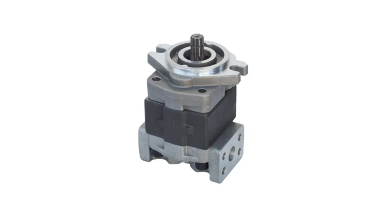
Because they are positive displacement pumps, extenal gear pumps deliver a fixed volume per revolution, ensuring predictable flow. This is especially critical in fuel transfer systems where flow consistency affects combustion efficiency.
Constructed with hardened gears, robust casings, and precision bearings, extenal gear pumps are designed to withstand continuous operation under demanding conditions. Their simple design reduces maintenance requirements and extends service life.
Extenal gear pumps are versatile enough to handle fuels, lubricating oils, and hydraulic fluids, making them suitable for multipurpose systems. They perform well across a broad viscosity range, from light hydrocarbons to heavy lubricants.
These pumps can maintain stable operation at high pressures, enabling them to meet the needs of fuel injection systems, pressurized oil circulation, and other demanding applications.
The compact design of extenal gear pumps makes them easy to install in confined spaces, whether as part of new systems or retrofits. Their straightforward construction simplifies integration and reduces downtime during installation.
With fewer moving parts and robust construction, extenal gear pumps require minimal maintenance. When service is needed, parts can often be replaced quickly without requiring full system disassembly.
While extenal gear pumps offer numerous advantages, there are also factors that engineers and operators should consider:
Noise Levels: Extenal gear pumps can be noisier compared to internal gear or vane pumps, especially at higher speeds.
Limited Abrasive Handling: These pumps are not designed for fluids with high particulate content, as this can accelerate wear.
Temperature Sensitivity: Extreme temperatures may require specialized materials or designs to ensure reliable operation.
By addressing these considerations with proper material selection, filtration, and operating practices, extenal gear pumps can deliver long-term reliable performance.
To maximize the benefits of extenal gear pumps in fuel transfer and oil circulation systems, consider the following best practices:
Proper Filtration: Install filters to protect pumps from abrasive particles that can cause wear.
Regular Inspection: Monitor flow rates, pressures, and temperatures to detect anomalies early.
Scheduled Maintenance: Replace seals, bearings, or worn gears as part of preventive maintenance.
Material Selection: Use pumps constructed with corrosion-resistant alloys when handling aggressive fuels or oils.
System Integration: Ensure pumps are correctly sized for flow and pressure requirements to avoid inefficiency or premature wear.
As industries move toward greater energy efficiency and sustainability, extenal gear pumps remain highly relevant. Their ability to provide precise flow control, high efficiency, and reliability makes them well-suited for modern challenges, including alternative fuels like biodiesel or synthetic oils. With ongoing improvements in materials and design, extenal gear pumps are likely to remain a cornerstone of fuel transfer and oil circulation systems for years to come.
Extenal gear pumps play a critical role in fuel transfer and oil circulation systems, offering durability, efficiency, and consistent performance across industries. Their ability to handle a wide range of fluids, deliver predictable flow, and operate under high pressure makes them indispensable in applications ranging from automotive fuel delivery to industrial oil circulation.
For companies seeking reliable extenal gear pumps and technical expertise, Fannal Display provides high-quality solutions tailored to the needs of modern industry. Their products are designed to meet demanding performance standards while ensuring long-term reliability. To learn more about their offerings, visit Zhejiang Keister Hydraulic Co., Ltd. or contact their team for further information.


