

Views: 0 Author: Site Editor Publish Time: 2025-09-10 Origin: Site


Vane pumps are a critical component in modern hydraulic systems, valued for their smooth flow, high efficiency, and relatively quiet operation. These positive displacement pumps are widely used across industrial machinery, mobile equipment, and manufacturing processes, providing reliable fluid transfer and precise hydraulic control. However, like all mechanical systems, their longevity and performance heavily depend on proper maintenance. Neglecting routine care can lead to reduced efficiency, increased wear, unexpected downtime, and costly repairs.
Before diving into maintenance practices, it’s important to understand how vane pumps function. A vane pump consists of a rotor, sliding vanes, and a cam ring. As the rotor turns, the vanes slide in and out, creating variable-volume chambers that draw in and discharge fluid. The smooth, continuous motion results in minimal pulsation, making vane pumps ideal for applications requiring low noise and steady flow.
However, the constant sliding contact of vanes against the cam ring produces friction. Over time, this friction, combined with contamination, improper lubrication, or excessive pressure, can accelerate wear. Regular maintenance helps mitigate these factors, ensuring the pump operates at peak efficiency.
Routine maintenance of vane pumps offers multiple benefits:
Extended Lifespan: Proper care reduces wear on vanes, rotors, cam rings, and seals.
Optimized Efficiency: Clean, well-lubricated components maintain volumetric and mechanical efficiency, reducing energy consumption.
Reduced Downtime: Preventive maintenance minimizes the risk of unexpected pump failure, keeping industrial processes on schedule.
Safety: Well-maintained pumps reduce the likelihood of hydraulic leaks or malfunctions that could lead to accidents.
Neglecting maintenance can result in degraded flow performance, higher energy usage, and premature failure of critical components, ultimately increasing operational costs.
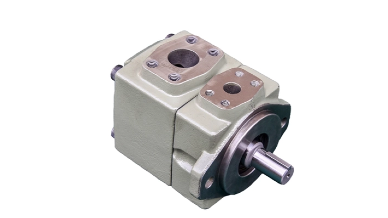
Vane pumps, which are commonly used in hydraulic systems for various industrial applications, require regular maintenance to operate at peak efficiency and longevity. Here are key tips to ensure that your vane pump operates smoothly and lasts longer:
The hydraulic fluid used in vane pumps is essential for the proper functioning and longevity of the pump. Contaminants such as dirt, water, or metal particles can lead to increased wear and damage to internal components. Here’s how to maintain the optimal quality of hydraulic fluid:
Use Manufacturer-Recommended Fluids: Always use the hydraulic fluid recommended by the manufacturer. The fluid should have the proper viscosity and additives to ensure smooth operation and to reduce wear on internal components.
Filtration Systems: Installing continuous filtration systems helps remove contaminants from the fluid as it circulates through the hydraulic system. Filters should be regularly checked and replaced to maintain clean fluid.
Fluid Replacement: Hydraulic fluid degrades over time and loses its effectiveness. Replace the fluid at the manufacturer-recommended intervals. Perform regular fluid testing to check for particle contamination, moisture content, and changes in viscosity.
Clean Fluid: Clean fluid reduces friction and prevents abrasive wear on critical parts such as the vanes and cam rings. Using clean fluid also helps in maintaining smooth and efficient pump operation, reducing the risk of costly failures.
Vane pumps rely on the sliding action of vanes to generate fluid flow. Over time, the vanes wear down, which affects volumetric efficiency and increases internal leakage. Here's how to maintain the vanes:
Inspect Vanes Regularly: Periodically inspect the vanes for signs of wear, scoring, cracking, or other damage. Check for any loss in their ability to maintain contact with the cam ring.
Replace Worn Vanes: Replace the vanes according to the manufacturer's recommendations or when measurable wear is detected. Worn-out vanes compromise flow accuracy, reduce efficiency, and can damage other components like the cam ring or rotor.
Vane Springs Check: If your pump has vane springs, inspect them to ensure that they are keeping proper contact with the cam ring. If springs are worn or damaged, they should be replaced to prevent uneven operation or internal damage.
Seals and bearings are vital components that ensure fluid does not leak and maintain internal pressure. They also help support rotating components. Here's how to keep seals and bearings in top condition:
Inspect Seals: Seals are designed to prevent fluid leakage. Regularly check seals for signs of cracking, hardening, or fluid seepage. Replace any damaged or worn-out seals to prevent fluid loss and pressure drop.
Bearing Care: Bearings support rotating components and ensure smooth motion. Check for proper alignment and lubrication. Bearings that are not well-maintained can cause excessive friction, wear, and vibrations.
Use High-Quality Replacement Parts: Always use high-quality replacement seals and bearings to maintain reliability and prevent premature failure. Low-quality or improperly sized components can lead to inefficient pump operation and increased maintenance costs.
Cavitation and pressure spikes can cause significant damage to the pump’s internal components, leading to reduced efficiency, increased wear, and even catastrophic failure. Preventive actions include:
Monitor Inlet Pressure: Make sure to maintain recommended suction conditions and avoid operating the pump under low-pressure conditions. Low inlet pressure can cause cavitation, which generates air bubbles that damage the internal surfaces of the pump.
Avoid Running Dry: Running the pump dry or under excessive pressures can exacerbate cavitation and cause damage to seals, bearings, and vanes. Always ensure the pump is properly lubricated and fed with the correct pressure.
Use Pressure Relief Valves: Install pressure relief valves or accumulators to prevent sudden pressure spikes that can damage the pump. These components help regulate pressure and protect against unexpected fluctuations in the hydraulic system.
The external cleanliness of the vane pump and its surrounding environment directly impacts the efficiency and lifespan of the pump. Here's how to maintain cleanliness:
Regular Cleaning: Keep the pump housing and surrounding area free from dust, dirt, and debris. Contaminants can enter the pump through openings, causing internal wear and clogging fluid passages.
Ensure Proper Cooling: If the pump uses external cooling fins or heat exchangers, ensure they are not obstructed by dirt or debris. These components are essential for maintaining optimal operating temperatures.
Check Mounting Bolts: Ensure all mounting bolts and connections are tight to prevent vibration or misalignment. Loose bolts can lead to excessive wear, inefficient operation, and premature pump failure.
A vane pump operates as part of a larger hydraulic system, so system-wide maintenance is also essential for optimal pump performance. Routine inspections help identify issues early and prevent major breakdowns. Here's what to check:
Inspect Hoses and Fittings: Check all hoses, fittings, and pipelines for leaks, cracks, or loose connections. These issues can lead to pressure drops, fluid leakage, or inefficient pump performance.
Monitor Pressure and Flow Rates: Regularly monitor system pressure, flow rates, and temperatures to detect early signs of wear or inefficiency. If any parameters deviate from normal operating conditions, investigate the root cause.
Check Filters: Filters ensure that the hydraulic fluid stays clean. Regularly replace or clean filters to maintain fluid cleanliness. Clogged filters can reduce pump performance and increase wear on internal components.
Vane pumps are indispensable in modern hydraulic systems, offering smooth operation, low noise, and high efficiency. However, their reliability and longevity depend on consistent maintenance practices. By monitoring hydraulic fluid quality, inspecting vanes and seals, controlling pressure, and performing regular system inspections, operators can extend the lifespan of their pumps, maintain performance, and minimize downtime.
For industrial operators seeking high-quality vane pumps and expert guidance on maintenance practices, Zhejiang Keister Hydraulic Co., Ltd. provides reliable solutions and technical support. Their range of advanced hydraulic pumps is designed for durability, efficiency, and quiet operation, making them an ideal partner for industries looking to optimize performance while maintaining safe, cost-effective hydraulic systems.


