

Views: 0 Author: Site Editor Publish Time: 2025-08-03 Origin: Site


Internal gear pumps have long been recognized as versatile and reliable hydraulic devices, capable of delivering smooth, precise fluid flow in a wide range of industrial settings. Among their most demanding applications are marine and offshore environments, where pumps are exposed to harsh conditions, fluctuating pressures, and critical operational demands. This article explores the key features, advantages, and considerations for using internal gear pumps in marine and offshore applications, highlighting why they are an indispensable choice for shipbuilders, offshore operators, and maintenance teams.
Internal gear pumps are positive displacement pumps that utilize a rotor and an internal gear to move fluid efficiently. They are renowned for their ability to provide steady, pulsation-free flow across a wide range of viscosities, making them ideal for hydraulic systems, lubrication circuits, and fuel transfer applications. In marine and offshore environments, reliability is paramount: downtime can be costly, dangerous, or both. The robust design of internal gear pumps ensures consistent performance under these challenging conditions.
Key characteristics include:
Smooth Flow: Internal gear pumps minimize pulsation, ensuring stable fluid delivery.
Versatility: Capable of handling various fluids, including oils, fuels, lubricants, and hydraulic fluids.
Durability: Built to withstand high pressures and continuous operation in harsh environments.
Compact Design: Space-saving construction allows integration into confined marine engine rooms or offshore platforms.
Marine and offshore operations present a unique set of challenges for hydraulic equipment. Pumps in these settings must withstand harsh environmental conditions, including constant exposure to saltwater, high humidity, corrosive fuels, vibration from engines and machinery, and fluctuating temperatures. Internal gear pumps are particularly well-suited for these demands, offering a combination of reliability, efficiency, and versatility that ensures smooth operation across a range of applications. Key advantages include:
Internal gear pumps are constructed from high-quality materials such as stainless steel, bronze, or other corrosion-resistant alloys. These materials allow the pumps to resist rust and chemical degradation even when exposed to seawater or harsh marine fuels. The simple yet robust gear-based mechanism reduces the number of moving parts, which directly lowers the likelihood of mechanical failures. This durability ensures consistent performance over long periods of continuous operation, a critical requirement for marine vessels and offshore platforms where downtime can be costly and disruptive.
Maintaining a stable flow of fluids is essential for many marine systems, from vessel propulsion to onboard hydraulics. Internal gear pumps deliver steady, pulsation-free flow, reducing pressure fluctuations that can affect downstream components. This smooth operation minimizes vibrations and mechanical shocks, which is particularly important for sensitive systems such as fuel injection lines, hydraulic steering mechanisms, or precision deck machinery. By ensuring consistent flow, internal gear pumps improve system reliability and overall operational safety.
Marine and offshore operations often require the transfer of fluids with varying viscosities, including lubricating oils, hydraulic fluids, and heavy fuels. Internal gear pumps are designed to handle both low-viscosity and high-viscosity fluids efficiently without compromising performance. Their positive displacement mechanism allows for consistent volumetric output regardless of fluid thickness, making them adaptable to multiple shipboard systems and ensuring reliable lubrication, fuel transfer, and hydraulic operation under diverse conditions.
Space is always at a premium on marine vessels and offshore platforms. Internal gear pumps are generally more compact than other positive displacement pumps with comparable flow rates. Their efficient design allows engineers to integrate them into tight engine rooms, machinery compartments, or modular offshore installations without sacrificing performance. This space-saving characteristic not only simplifies installation but also facilitates maintenance and inspection, contributing to long-term operational efficiency.
Internal gear pumps are versatile and reliable, making them ideal for a wide range of tasks on marine vessels and offshore installations. Their ability to handle viscous fluids, deliver smooth flow, and withstand harsh conditions makes them indispensable in critical systems.
Marine vessels rely on precise and continuous fuel delivery for engines, generators, and auxiliary machinery. Internal gear pumps ensure efficient fuel transfer from storage tanks to engines, maintaining consistent pressure and flow even under rough sea conditions. Their design minimizes cavitation and prevents vapor lock, which can occur when fuel vaporizes in low-pressure areas, potentially disrupting engine operation. This reliability is essential for long voyages, ensuring engines operate smoothly and efficiently, reducing downtime, and preventing costly interruptions.
Engines, gearboxes, turbines, and other moving components onboard require continuous lubrication to reduce friction, prevent wear, and ensure optimal performance. Internal gear pumps circulate lubricating oil consistently throughout these systems, maintaining adequate oil pressure and flow to critical areas. This is particularly important during extended offshore operations where maintenance opportunities are limited. By ensuring stable lubrication, internal gear pumps help extend equipment life and prevent premature component failure, contributing to safer and more reliable marine operations.
Offshore platforms and marine vessels often rely on hydraulically powered machinery such as cranes, winches, deck equipment, and steering systems. Internal gear pumps deliver smooth, pulsation-free flow to hydraulic cylinders and motors, allowing precise control over equipment movement. This smooth flow enhances operational safety, prevents jerky or uneven motion, and increases productivity in demanding offshore environments where precision is critical. Their ability to maintain performance under varying pressures and viscosities ensures that hydraulic systems remain responsive and reliable at all times.
In specialized offshore and marine operations, internal gear pumps can be adapted for chemical transfer, ballast water management, and the circulation of treated fluids. Their positive displacement mechanism allows them to handle fluids of different viscosities, from light chemicals to denser water mixtures, while maintaining steady flow. This makes them suitable for pumping additives, cooling liquids, or treated water, which is essential for environmental compliance, operational efficiency, and safety. By providing consistent, controlled flow, internal gear pumps reduce the risk of spills, overpressure, or equipment damage during critical fluid-handling operations.
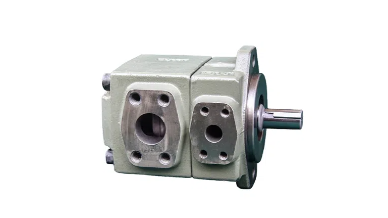
Maintaining internal gear pumps in marine and offshore environments requires regular inspection and preventive care:
Fluid Quality: Always use manufacturer-recommended oils and hydraulic fluids. Contaminated fluids accelerate wear and reduce efficiency.
Seal and Bearing Inspection: Check for leaks, alignment, and wear to prevent downtime.
Component Replacement: Replace worn gears, seals, and bearings promptly to maintain pump performance.
System Monitoring: Continuously monitor flow, pressure, and temperature to detect early signs of issues.
Corrosion Prevention: Apply protective coatings or use corrosion-resistant materials in saltwater-exposed systems.
By adopting these practices, operators can extend the service life of internal gear pumps and reduce operational risks.
Internal gear pumps are an ideal solution for marine and offshore applications, offering reliability, precision, and durability in challenging environments. Their ability to handle a wide range of fluids, maintain consistent flow, and withstand harsh conditions makes them essential for fuel transfer, lubrication, hydraulic, and chemical handling systems. With proper maintenance, these pumps provide long-lasting performance, ensuring that vessels and offshore platforms operate efficiently, safely, and cost-effectively.
For more information on high-quality internal gear pumps suitable for marine and offshore use, visit Zhejiang Keister Hydraulic Co., Ltd.. Their expertise in durable, efficient hydraulic solutions ensures you get reliable components tailored for demanding industrial applications.


