

Views: 0 Author: Site Editor Publish Time: 2025-09-17 Origin: Site


In the oil and gas industry, efficient and reliable fluid transfer is critical to operational success. Whether it’s transporting crude oil, refined products, or chemical additives, fluid handling equipment must maintain consistent flow, high pressure, and minimal downtime. Among the range of hydraulic pumps available, vane pumps have emerged as a preferred choice for many applications due to their precision, adaptability, and robustness.
Vane pumps are positive displacement pumps, meaning they move a fixed volume of fluid with each rotation. They consist of a rotor, sliding vanes, and a cam ring. As the rotor spins, the vanes slide outward due to centrifugal force and maintain contact with the cam ring, creating variable-volume chambers. These chambers draw fluid from the inlet port, transport it around the pump, and discharge it at the outlet under controlled pressure.
Key characteristics of vane pumps include:
Consistent Flow: Unlike some pumps that fluctuate under changing load, vane pumps deliver smooth and continuous fluid transfer.
Compact Design: Their lightweight and compact form factor makes them suitable for installations with limited space.
Quiet Operation: Vane pumps operate with less noise compared to gear pumps, improving working conditions on platforms or refineries.
Vane pumps are a cornerstone of fluid management in the oil and gas industry. Their unique design and operational characteristics make them highly suitable for the demanding environments and complex processes of this sector. From maintaining steady flows to handling fluids of varying viscosities, vane pumps provide a combination of reliability, efficiency, and adaptability that is critical for smooth operations.
In oil and gas operations, maintaining a stable and predictable flow rate is crucial. Pipelines and processing equipment are often sensitive to pressure fluctuations; surges or drops in pressure can result in cavitation, leaks, or mechanical stress on pumps, valves, and other system components. Vane pumps’ positive displacement design ensures that a fixed volume of fluid is delivered with each rotation, providing a smooth and continuous flow regardless of changing load or pressure conditions.
This consistent flow is particularly important in:
Pipeline transportation, where sudden changes in fluid velocity can lead to bursts or excessive wear.
Refining processes, where precise flow is needed to maintain chemical reactions and product consistency.
Hydraulic systems, where uniform fluid delivery ensures smooth operation of actuators and equipment.
By delivering steady, reliable flow, vane pumps reduce operational stress on the system, extend the lifespan of downstream components, and enhance overall reliability.
Crude oil, refined petroleum products, and chemical additives often vary widely in viscosity depending on temperature, chemical composition, and processing stage. Vane pumps are inherently adaptable because their sliding vanes dynamically adjust to the thickness and flow characteristics of the fluid. This flexibility allows the pump to maintain efficiency across a broad range of conditions without requiring constant adjustments or risking damage.
For example:
Cold crude oil can become highly viscous, posing challenges for pumping. Vane pumps can manage this thick fluid, ensuring it reaches storage tanks or processing units without pressure spikes.
Hot refined products may have low viscosity but still require gentle handling to prevent foaming or degradation. Vane pumps can maintain smooth flow while preserving product integrity.
Variable chemical mixtures, including corrosion inhibitors or demulsifiers, are handled accurately without compromising pump efficiency.
This ability to operate efficiently under changing viscosities makes vane pumps versatile for pipelines, refineries, and offshore platforms.
Precise pressure control is essential in oil and gas operations to prevent equipment damage and ensure safety. Vane pumps can maintain stable system pressure, which is critical for:
Sensitive chemical injections, where overpressure could disrupt dosing or damage equipment.
High-viscosity fluid transfer, where underpressure could slow throughput and create inefficiencies.
Hydraulic systems, where consistent pressure ensures smooth and accurate movement of actuators.
Many vane pumps come equipped with relief valves or pressure compensators, allowing automatic adjustments to fluctuating system demands. This feature not only safeguards equipment but also optimizes performance, reducing the likelihood of operational interruptions.
The oil and gas industry frequently operates in harsh and remote environments—offshore rigs, desert oil fields, and deepwater platforms. Vane pumps are built to endure these extreme conditions. Constructed from high-strength materials such as stainless steel, bronze, and specialized alloys, they offer excellent resistance to:
Corrosion, particularly in marine or chemical-heavy environments.
Abrasive fluids, including crude oil containing sand or sediment.
High pressures and fluctuating loads, which are common in extraction and pipeline systems.
The robust construction of vane pumps ensures minimal maintenance requirements and extends operational lifespan, which is particularly valuable in offshore or remote applications where service access is limited.
Energy efficiency is a critical consideration for large-scale oil and gas operations due to the high costs of continuous pumping. Vane pumps are inherently energy-efficient because they consume power only to move the volume of fluid required. Variable displacement vane pumps further optimize efficiency by adjusting output to match actual system demand, minimizing wasted energy. This not only reduces operational costs but also lowers the environmental footprint of oil and gas operations.
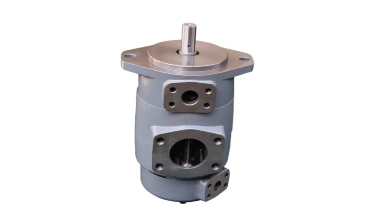
Vane pumps are highly versatile and play an integral role across the oil and gas value chain. Their combination of precision, reliability, and adaptability allows them to serve in critical applications:
Crude oil must be efficiently transported from wellheads to storage tanks or pipelines. Vane pumps handle high-viscosity crude and maintain steady pressure, preventing surges or cavitation. This ensures smooth, reliable transfer even in low-temperature environments, where crude oil becomes thicker and more challenging to pump.
Refineries and offshore platforms require precise chemical injection, including corrosion inhibitors, demulsifiers, and anti-foaming agents. Vane pumps provide accurate volumetric control, ensuring consistent dosing and preventing operational disruptions or equipment damage.
Vane pumps are widely used in hydraulic systems powering drilling rigs, cranes, and pipeline controls. Their compact design, quiet operation, and consistent pressure make them ideal for systems where reliability, efficiency, and safety are paramount.
When transferring refined products, vane pumps minimize shear forces and maintain fluid integrity. They are suitable for delicate fluids such as lubricants, fuels, and petrochemicals, helping preserve product quality during movement between tanks or through pipelines.
Vane pumps operate reliably in extreme offshore conditions, including exposure to saltwater, vibration, and fluctuating loads. Corrosion-resistant materials and robust seals ensure dependable operation in subsea environments, making them suitable for drilling, extraction, and fluid transfer in deepwater operations.
Vane pumps have proven to be highly effective, reliable, and versatile solutions for fluid transfer in the oil and gas industry. Their consistent flow, adaptability to varying fluid properties, precision pressure control, and robust design make them an ideal choice for challenging operational environments. By implementing proper maintenance, energy-efficient designs, and advanced control systems, oil and gas operators can optimize productivity, reduce operational costs, and ensure safety across their facilities.
For companies seeking reliable vane pump solutions for oil and gas applications, Zhejiang Keister Hydraulic Co., Ltd. offers high-quality, durable pumps designed to meet industry standards. Their expert team can provide guidance and support to select the most suitable vane pump for your specific needs. To learn more or discuss your requirements, contact Zhejiang Keister Hydraulic Co., Ltd. directly for professional advice and solutions.


