

Views: 0 Author: Site Editor Publish Time: 2025-07-24 Origin: Site


Internal gear pumps are widely used in industrial, hydraulic, and lubrication systems due to their reliability, efficiency, and ability to handle viscous fluids. These pumps, characterized by their internal and external gear arrangement, are integral to operations where precise fluid flow and high-pressure delivery are required. While internal gear pumps are known for their durability, proper maintenance is essential to extend their lifespan and maintain optimal performance. In this article, we’ll explore key strategies for maintaining your internal gear pump, preventing wear, and ensuring consistent efficiency.
Internal gear pumps consist of two gears: a driving external gear and a driven internal gear, which mesh to create a continuous flow of liquid. Their design allows them to handle viscous fluids, operate quietly, and maintain stable flow rates even at low speeds. Despite their robust construction, internal gear pumps are susceptible to wear and inefficiency if not properly maintained. Key components prone to wear include gears, seals, bearings, and the pump casing. Understanding these parts and their function helps operators implement effective maintenance practices.
The hydraulic or lubrication fluid used in an internal gear pump is a cornerstone of its performance and lifespan. Poor fluid quality can accelerate wear on gears, bearings, seals, and other critical components. Contaminants such as dirt, water, or metal particles can cause scoring, pitting, and even catastrophic failures if not properly controlled. Additionally, using fluids with incorrect viscosity or degraded chemical properties increases friction, heat generation, and overall component stress. To maximize pump life and ensure reliable operation, operators should adopt a comprehensive fluid maintenance strategy.
Use Recommended Fluids: Always follow manufacturer guidelines when selecting hydraulic or lubrication fluids. Each pump model has a recommended viscosity range, temperature tolerance, and additive package designed to optimize performance. Using incorrect fluids may lead to higher friction between gear teeth, accelerated wear, and elevated operating temperatures. In extreme cases, improper fluid selection can even cause premature bearing failure or gear seizure.
Implement Filtration: Contaminant control is essential for extending internal gear pump life. Installing and maintaining filtration systems ensures continuous removal of debris, metal shavings, and water from the fluid. Effective filtration not only protects internal surfaces from scoring and pitting but also maintains consistent flow and pressure. High-quality filters, replaced or cleaned according to the manufacturer’s recommendations, prevent contaminants from circulating through the pump and system.
Regular Fluid Replacement: Even clean fluid degrades over time due to heat, oxidation, and operational stress. Scheduled fluid changes are critical to maintain lubrication quality and prevent accumulation of impurities. Periodic testing of fluid properties—checking for particulate contamination, water content, and viscosity changes—allows early detection of potential issues before they affect pump performance. This proactive approach helps avoid unexpected downtime and extends the operational lifespan of the pump.
Avoid Fluid Overheating: Excessive fluid temperature reduces lubricating efficiency and accelerates wear on gears, vanes, and bearings. Operators should ensure that cooling systems, such as heat exchangers or circulation loops, are functioning correctly and free from obstructions. Monitoring system temperature during operation helps detect anomalies early, preventing long-term damage and ensuring optimal pump performance.
By carefully monitoring and maintaining hydraulic fluid quality, operators can significantly reduce wear, minimize operational interruptions, and enhance the longevity of internal gear pumps. Clean, correctly formulated fluid ensures smooth gear meshing, maintains consistent pressure, and protects all critical internal components from premature damage.
Even with the best fluid maintenance practices, internal gear pumps naturally experience wear over time. Regular inspections and timely replacement of worn parts are essential to preserve efficiency and prevent system failures.
Gears: The internal and external gears are the heart of the pump. Inspect these components for signs of wear, scoring, or pitting. Uneven or excessive wear reduces volumetric efficiency, increases vibration, and can damage surrounding components. Replace gears according to manufacturer recommendations or whenever visible damage is present.
Seals: Seals maintain internal pressure and prevent fluid leakage. Over time, seals may harden, crack, or develop fluid seepage. Damaged seals compromise efficiency and can allow contaminants to enter the system. Immediate replacement of worn or faulty seals is critical to maintaining performance.
Bearings: Bearings support the rotation of gears and shafts. Inspect them for alignment, lubrication adequacy, and wear. Properly maintained bearings reduce vibration, noise, and uneven gear wear, ensuring smooth operation. Misaligned or worn bearings can accelerate damage to both gears and the pump casing.
Pump Casing: The pump casing contains and supports internal components. Inspect it for cracks, erosion, or excessive wear, particularly around high-pressure areas. Damage to the casing can compromise seal integrity and reduce overall pump efficiency. Addressing casing issues promptly prevents cascading failures in other parts of the pump.
By combining careful fluid management with regular inspection and timely component replacement, operators can significantly extend the life of their internal gear pumps while maintaining high efficiency and reliability.
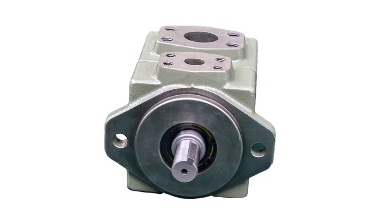
Internal gear pumps perform best within specific operating parameters. Adhering to these conditions reduces stress and prolongs pump life.
Avoid Cavitation: Cavitation occurs when vapor bubbles form in the fluid, causing vibration and damage to gears and casing. Maintain proper inlet pressure and avoid running the pump under low-flow conditions.
Control Pressure Spikes: Sudden increases in pressure can stress gears and seals. Use pressure relief valves or accumulators to manage pressure fluctuations.
Temperature Management: Ensure the pump does not exceed recommended fluid and ambient temperatures. Overheating can accelerate wear and reduce fluid life.
Prevent Dry Running: Operating the pump without fluid can rapidly damage gears, seals, and bearings. Always ensure the pump is primed before starting.
Although internal gear pumps often rely on pumped fluid for lubrication, some applications require additional lubrication to bearings or auxiliary components.
Check Manufacturer Guidelines: Use only recommended lubricants for bearings and shafts.
Monitor Lubricant Levels: Low lubrication levels can cause overheating and wear. Maintain recommended levels consistently.
Periodic Lubricant Replacement: Over time, lubricants degrade or become contaminated. Replace at recommended intervals to ensure maximum protection.
External cleanliness plays a crucial role in pump reliability. Dust, dirt, and debris can infiltrate the pump and cause accelerated wear.
Clean Pump Housing: Regularly remove dust and debris from the pump exterior.
Ensure Cooling Systems Are Clear: Make sure cooling fins, heat exchangers, or external piping are unobstructed. Proper cooling prevents fluid degradation and excessive component wear.
Check Mounting and Connections: Tighten mounting bolts and inspect hoses and fittings for leaks or looseness. Misalignment can cause vibration, wear, and noise.
Internal gear pumps are part of larger hydraulic or lubrication systems, and system-wide inspections enhance overall performance:
Check Hoses and Fittings: Inspect for leaks, cracks, or loose connections.
Monitor System Pressure and Flow: Regularly record operating conditions to detect early signs of wear or inefficiency.
Filter Maintenance: Ensure that filters are cleaned or replaced as needed to maintain fluid cleanliness.
Vibration and Noise Checks: Monitor for unusual vibrations or noise, which may indicate worn gears, misalignment, or cavitation.
Proper maintenance of an internal gear pump is essential for ensuring reliable performance, minimizing downtime, and extending the lifespan of this critical component. By monitoring fluid quality, inspecting and replacing worn parts, maintaining proper operating conditions, and keeping the pump clean, operators can maximize efficiency and protect their investment. Routine system-level inspections further enhance longevity and prevent unexpected failures, making proactive maintenance an essential practice for any industrial or hydraulic system.
For more information on high-quality internal gear pumps, maintenance tips, or to source reliable components, visit Zhejiang Keister Hydraulic Co., Ltd.. Their expertise ensures optimal performance, long-term reliability, and access to professional support for your hydraulic systems.


