

Views: 0 Author: Site Editor Publish Time: 2025-12-25 Origin: Site


Have you ever wondered how machines efficiently move fluids? Rotary vane pumps play a crucial role in various industries. These pumps are known for their efficiency and versatility, making them a popular choice.
In this post, you'll learn about the working principles of vane pumps and their importance in modern applications. We’ll also highlight leading manufacturers like Zhejiang Keister Hydraulic Co., Ltd.
A rotary vane pump consists of several key components that work together to create efficient fluid movement. Understanding these parts is essential for grasping how a vane pump operates.
1. Stator (Housing)
The stator is the outer casing of the pump. It provides a cylindrical chamber where the rotor and vanes operate. This component is crucial for maintaining the structural integrity of the pump and ensuring a sealed environment for fluid movement.
2. Rotor (Eccentric Assembly)
The rotor is mounted eccentrically within the stator. This offset design is vital as it creates varying chamber sizes during rotation. As the rotor turns, it drives the vanes outward against the stator, forming sealed chambers that facilitate fluid suction and discharge.
3. Vanes (Blades)
The vanes are rectangular blades that slide in and out of slots in the rotor. They play a critical role in trapping and moving the fluid. As the rotor spins, the vanes maintain contact with the stator, ensuring efficient fluid displacement.
These components work in harmony to create a reliable pumping action. As the rotor spins, the vanes push outward due to centrifugal force. This action forms sealed chambers that expand and contract, allowing fluid to be drawn in and pushed out effectively.
Here’s a simplified view of how these parts interact:
Component | Function |
Stator | Houses the rotor and vanes, providing structure |
Rotor | Creates varying chamber sizes to facilitate pumping |
Vanes | Trap and move the fluid through the pump |
In the pumping process, the rotor’s rotation is the driving force. It creates a vacuum on the suction side, drawing fluid into the pump. As the rotor continues to turn, the trapped fluid moves toward the discharge side, where it is expelled under pressure.
Additionally, brands like Zhejiang Keister Hydraulic Co., Ltd. utilize high-precision components in their vane pumps. This attention to detail enhances performance and reliability. For instance, Keister's vanes are designed for minimal leakage and maximum efficiency, significantly improving the pump's overall effectiveness.
By understanding these core components, you can appreciate the engineering behind rotary vane pumps and their widespread applications across various industries.
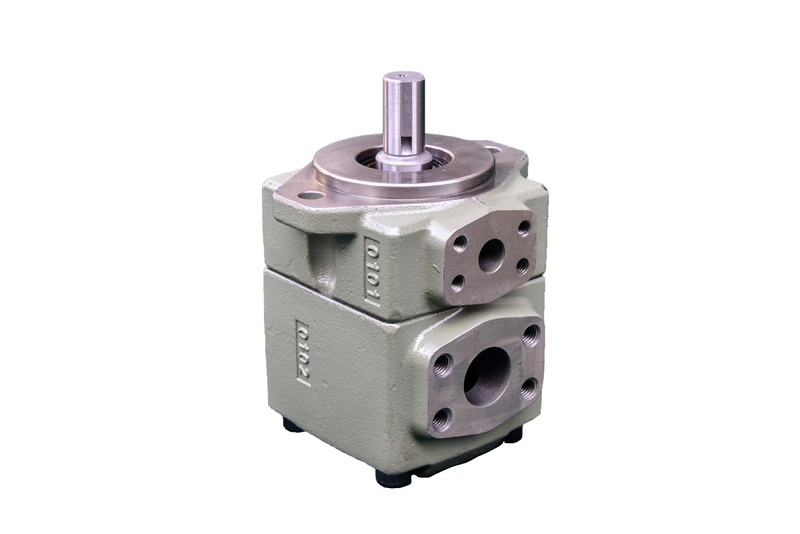
Understanding how a rotary vane pump operates is essential for grasping its efficiency and effectiveness in fluid movement. This pump relies on a simple yet ingenious mechanism to create a continuous flow of liquid.
A rotary vane pump functions by trapping a specific volume of fluid and moving it from the inlet to the outlet through a series of expanding and contracting chambers. The process can be broken down into three main phases: suction, compression, and discharge. Each phase plays a critical role in ensuring that fluid is moved efficiently.
Phase | Description |
Suction | Fluid is drawn into the pump as the chamber expands. |
Compression | The trapped fluid is compressed as the chamber size decreases. |
Discharge | The compressed fluid is expelled through the outlet. |
1. Suction (Expansion) Phase
During this initial phase, the rotor's eccentric motion creates a larger volume within the vane chambers. As the rotor turns, the vanes slide outward, forming a vacuum that draws fluid into the pump from the inlet. This phase is crucial as it sets the stage for effective fluid movement.
2. Compression Phase
As the rotor continues to turn, the volume of the vane chambers begins to decrease. The centrifugal force pushes the vanes against the stator, compressing the trapped fluid. This compression increases the fluid's pressure, preparing it for discharge. It’s during this phase that the efficiency of the pump is particularly evident.
3. Discharge (Exhaust) Phase
In the final phase, the rotor's movement forces the compressed fluid out of the pump through the outlet. The pressure built up during the compression phase ensures that the fluid is expelled effectively, maintaining a steady flow. This phase highlights the pump’s ability to deliver fluid consistently, making it ideal for various applications.
Leading manufacturers like Zhejiang Keister Hydraulic Co., Ltd. have incorporated design enhancements to improve the performance of their vane pumps. For example, Keister's special vane tip design minimizes gaps between the vanes and the stator, reducing fluid back-leakage. This innovation not only enhances volumetric efficiency but also lowers operational noise, making their pumps suitable for indoor industrial applications.
By optimizing the workflow with these design features, Keister ensures that their rotary vane pumps deliver reliable performance across diverse industrial settings. Understanding these principles allows users to appreciate the engineering behind rotary vane pumps and their critical role in fluid management.
Rotary vane pumps come in various designs, each tailored for specific applications and performance requirements. Understanding these variations can help users select the right pump for their needs.
1. Oil-Lubricated Vane Pumps
These pumps use oil to lubricate the vanes and internal components. The oil not only reduces friction but also helps maintain a seal between the vanes and the stator. This design is ideal for high-performance applications where efficiency and longevity are crucial.
2. Dry-Running Vane Pumps
Unlike oil-lubricated pumps, dry-running vane pumps operate without any lubricating fluid. They are designed to handle specific fluids and environments where contamination is a concern. These pumps are often lighter and simpler, making them suitable for applications where maintenance access is limited.
Type | Description | Applications |
Single-Stage | Contains one set of vanes and is ideal for low-pressure applications. | General fluid transfer, HVAC |
Two-Stage | Features two sets of vanes for higher pressure and efficiency. | Industrial processes, automotive |
Single-stage pumps are commonly used for general fluid transfer tasks, while two-stage pumps excel in high-pressure applications. The increased complexity of two-stage pumps allows them to handle more demanding situations effectively.
The choice between oil-lubricated and dry-running pumps significantly impacts performance. Oil-lubricated pumps generally offer better efficiency and durability, making them suitable for continuous operation. In contrast, dry-running pumps are advantageous in environments where contamination must be avoided.
When it comes to single-stage versus two-stage pumps, the latter provides higher pressure capabilities and greater efficiency. This design makes them ideal for industrial processes that require consistent and reliable fluid delivery.
● Oil-Lubricated Vane Pumps
Commonly found in hydraulic systems, automotive applications, and industrial machinery. They excel in environments where high efficiency and reliability are essential.
● Dry-Running Vane Pumps
Often used in food processing, pharmaceuticals, and other sensitive applications. Their design minimizes the risk of contamination, ensuring product safety.
Zhejiang Keister Hydraulic Co., Ltd. offers several notable series of rotary vane pumps. For instance:
● PV2R Series
Known for its robust design and high efficiency, suitable for hydraulic applications.
● T6/T7 Series
These models are designed for versatility, handling both oil-lubricated and dry-running applications effectively.
Keister’s commitment to quality ensures that their pumps meet the demanding standards of various industries, providing reliable performance across the board. By understanding these design variations, users can make informed decisions that align with their specific operational needs.
Rotary vane pumps offer a range of advantages, making them a popular choice in various industries. Their unique design and operational characteristics contribute to their efficiency and effectiveness.
1. High Efficiency and Reliability
One of the standout features of rotary vane pumps is their high efficiency. They can maintain consistent flow rates even under varying pressure conditions. This reliability makes them ideal for applications where performance is critical. Users can depend on these pumps for continuous operation without significant downtime.
2. Low Noise Operation
Unlike some other pump types, rotary vane pumps operate quietly. This low noise level is essential in environments where sound reduction is important, such as in residential or office settings. Their design minimizes vibrations, contributing to a more pleasant working atmosphere.
3. Compact Design Suitable for Various Applications
The compact design of rotary vane pumps allows them to fit into tight spaces, making them versatile for different setups. This adaptability is particularly useful in mobile applications, where space is often limited. Their lightweight construction also facilitates easy installation and transportation.
Zhejiang Keister Hydraulic Co., Ltd. prioritizes quality in its manufacturing processes. They hold various certifications, including ISO standards and high-tech enterprise certification. This commitment to quality assurance ensures that their vane pumps are reliable and efficient, meeting the high demands of industrial applications.
Rotary vane pumps find applications across multiple sectors, showcasing their versatility. Here are some key areas where they excel:
● Industrial Applications
These pumps are widely used in machinery and material handling. Their efficiency makes them suitable for tasks such as fluid transfer, lubrication, and hydraulic systems. Many factories rely on them for seamless operations.
● Mobile Applications
In construction and logistics, rotary vane pumps play a crucial role. They are used in vehicles and equipment to ensure reliable fluid delivery. Their compact size and lightweight nature make them an excellent choice for mobile machinery.
Industry | Applications | Examples |
Industrial | Machinery, material handling | Hydraulic systems, fluid transfer |
Mobile | Construction, logistics | Vehicles, portable equipment |
The benefits of rotary vane pumps make them indispensable in various fields. Their efficiency, reliability, and compact design ensure they meet the diverse needs of users across industries. By choosing high-quality options like those from Keister, businesses can enhance their operational effectiveness and maintain high standards.
Rotary vane pumps are versatile devices used in a wide range of real-world applications. Their efficiency and reliability make them essential in various industries, from agriculture to shipbuilding.
Rotary vane pumps are commonly found in machinery and equipment across different sectors. Their ability to handle various fluids and maintain consistent performance makes them ideal for numerous tasks. Here are some notable applications:
1. Agricultural Equipment
In agriculture, these pumps are used for irrigation systems, pesticide spraying, and liquid fertilizer distribution. Their high efficiency ensures that fluids are delivered precisely where needed, enhancing crop yield and resource management.
2. Mining Operations
In the mining sector, rotary vane pumps play a crucial role in transporting slurries and dewatering equipment. Their robust design allows them to handle abrasive materials, making them reliable for harsh environments.
3. Shipbuilding and Marine Applications
Within the shipbuilding industry, these pumps are utilized for fuel transfer, bilge pumping, and hydraulic systems. Their compact size and low noise operation are particularly beneficial in marine settings, where space is limited and quiet operation is essential.
Rotary vane pumps can be found in various types of machinery, including:
Equipment Type | Application |
Tractors | Fuel delivery and hydraulic systems |
Excavators | Hydraulic fluid transfer |
Boats and Yachts | Fuel and water transfer |
Industrial Compressors | Lubrication and cooling systems |
These examples illustrate the diverse range of machinery that benefits from the efficiency of vane pumps.
Zhejiang Keister Hydraulic Co., Ltd. has successfully integrated their rotary vane pumps in several real-world scenarios. For instance:
● Agricultural Success: Keister's PV2R series is widely used in irrigation systems, where its high efficiency allows for optimal water distribution, saving energy and resources.
● Mining Efficiency: In a mining operation, Keister's T6 series pumps were implemented to manage slurry transport. The robust construction of these pumps ensured minimal downtime and high operational reliability, even under challenging conditions.
These case studies highlight how Keister’s products meet the specific demands of various industries. By providing reliable and efficient solutions, they enhance productivity and operational success across multiple applications.
Overall, the versatility of rotary vane pumps ensures their place in essential machinery and equipment within diverse sectors. Their proven performance makes them a go-to choice for industries aiming for efficiency and reliability.
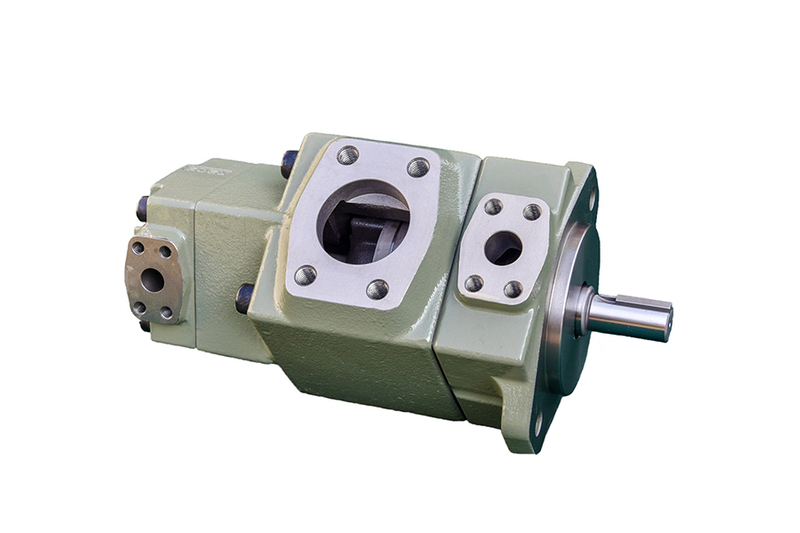
Proper maintenance of rotary vane pumps is essential for ensuring their longevity and optimal performance. Regular care and timely troubleshooting can prevent common issues and enhance efficiency.
1. Routine Maintenance Tips
To keep your vane pump running smoothly, establish a routine maintenance schedule. Here are some key practices:
a. Regular Inspections: Check for signs of wear, such as cracks or excessive play in the rotor and vanes. Regular visual inspections help catch potential issues early.
b. Fluid Checks: Monitor the condition and level of the lubricating fluid. Maintaining the right fluid levels prevents overheating and ensures efficient operation.
c. Cleanliness: Keep the pump and surrounding area clean. Dirt and debris can contaminate the pump and lead to operational issues.
2. Importance of Using High-Quality Materials
Using high-quality materials is crucial for the longevity of rotary vane pumps. Quality components reduce the likelihood of wear and tear, ensuring smoother operation. Investing in superior lubricants and seals can significantly enhance pump performance and lifespan.
3. Recommendations for Using Genuine Parts from Reputable Brands like Keister
When it comes to replacements, always opt for genuine parts from trusted manufacturers like Zhejiang Keister Hydraulic Co., Ltd. Using original components ensures compatibility and reliability, minimizing the risk of malfunctions. Keister’s parts are designed specifically for their pumps, providing peace of mind for users.
Rotary vane pumps can experience several common issues. Identifying these problems early can save time and resources. Here are some typical problems and their solutions:
Common Issue | Symptoms | Solutions and Preventive Measures |
Noise | Unusual sounds during operation | Check for loose components; tighten fittings. Regular lubrication can reduce noise. |
Leakage | Fluid leaking from the pump | Inspect seals and gaskets; replace if worn. Ensure proper installation to prevent leaks. |
Reduced Performance | Decreased flow rate or pressure | Clean filters and check for blockages. Verify that the pump isn’t running dry. |
When troubleshooting, it's essential to listen for unusual noises and watch for any signs of leakage. A sudden decrease in performance can indicate underlying issues, such as blockages or worn components.
Addressing these problems promptly is key. Regular maintenance, including inspections and timely replacements, can prevent many common issues. Keeping the pump clean and ensuring proper lubrication are vital steps in maintaining optimal performance.
By following these maintenance tips and being proactive in troubleshooting, users can ensure their rotary vane pumps operate efficiently and effectively for years to come. Proper care not only enhances performance but also reduces downtime and repair costs.
Understanding how a rotary vane pump works is crucial for many industries.
We discussed its design, benefits, applications, and maintenance.
Rotary vane pumps are efficient and reliable, making them ideal for various uses.
Consider these pumps for your next project.
Leading manufacturers like Keister Hydraulic ensure quality and performance.
A: The lifespan typically ranges from 5 to 15 years, depending on maintenance and usage.
A: Yes, they can handle moderately viscous fluids, but performance may vary with higher viscosities.
A: Factors include fluid viscosity, pressure, temperature, and maintenance practices.
A: Consider flow rate, pressure requirements, fluid type, and installation space.
A: Brands like Keister typically offer warranties and customer support for troubleshooting and maintenance.


