

Views: 0 Author: Site Editor Publish Time: 2025-09-11 Origin: Site


Extenal gear pumps are widely used across industries such as chemical processing, petrochemicals, hydraulics, and lubrication systems. Known for their simplicity, durability, and ability to handle a wide range of viscosities, they have become a cornerstone for reliable fluid transfer. However, like all mechanical equipment, the performance and longevity of an external gear pump depend heavily on proper maintenance.
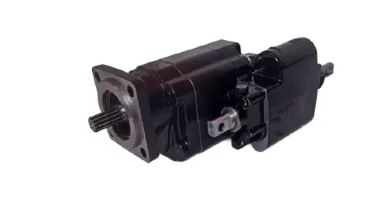
An extenal gear pump is a positive displacement pump that uses two intermeshing gears to transfer fluid. As the gears rotate, liquid is trapped between the teeth and the casing, then moved from the inlet side to the outlet. The meshing action of the gears then forces the fluid out, creating a steady and pulse-free flow.
Simple and robust design.
High-pressure capability.
Ability to handle a wide range of viscosities.
Smooth, consistent flow suitable for dosing and metering.
Despite these advantages, improper operation or inadequate maintenance can lead to reduced performance, excessive wear, or even pump failure.
Before diving into maintenance practices, it’s essential to understand the common issues that can arise in gear pumps:
Excessive Wear: Continuous exposure to abrasive fluids or contaminants can wear down gears and casing.
Leakage: Seal or gasket failures may result in internal or external leaks, reducing efficiency.
Cavitation: Occurs when the inlet pressure is too low, leading to vapor bubbles that damage gears and reduce performance.
Overheating: Poor lubrication or improper alignment may cause friction, leading to excess heat.
Noise and Vibration: Indicates possible misalignment, gear wear, or fluid entrainment.
Addressing these challenges through preventive maintenance is critical for maximizing pump lifespan.
A structured maintenance plan is crucial for ensuring external gear pumps operate efficiently, safely, and reliably over long periods. Routine maintenance not only prevents unexpected breakdowns but also extends the overall lifespan of the pump. Below are essential practices that every operator should follow:
Scheduled inspections help detect wear, leaks, or unusual noise before they escalate into major issues. Key checks include:
Gear Teeth: Examine gear teeth for scoring, pitting, or uneven wear. Early detection of these issues prevents further damage to the gears and pump casing.
Housing and Casing: Look for signs of corrosion, erosion, or cracks. Chemical exposure, abrasive fluids, or high pressures can gradually degrade the casing if not monitored.
Bearings and Shafts: Inspect bearings and shafts for proper alignment, looseness, or unusual vibration. Misalignment can accelerate wear and reduce pump efficiency.
Noise and Vibration: Pay attention to any abnormal sounds or vibrations during operation, as these may indicate internal wear, misalignment, or cavitation.
Regular visual and operational inspections allow operators to address minor issues early, saving time and preventing costly repairs.
Proper lubrication is essential to minimize friction between moving components and prevent premature wear. Best practices include:
Use Recommended Lubricants: Always choose lubricants that are compatible with the pumped fluids and suitable for the pump’s operating temperature range.
Keep Systems Clean: Ensure lubrication systems are free from contaminants such as dirt, water, or metal particles. Dirty lubricants accelerate wear on gears and bearings.
Periodic Replacement: Over time, lubricants degrade due to heat, oxidation, and contamination. Replace lubricants at recommended intervals and monitor their condition regularly.
Consistent lubrication improves mechanical efficiency, reduces energy consumption, and enhances the longevity of all moving parts.
Seals and gaskets prevent fluid leakage and maintain system pressure, making them critical components in pump operation:
Inspect Seals: Look for cracks, hardening, or signs of fluid seepage. Replace damaged seals immediately to avoid leaks and efficiency loss.
Check Gaskets: Examine gaskets for deformation caused by pressure fluctuations or temperature changes. Damaged gaskets should be replaced promptly.
Upgrade Materials: For pumps handling aggressive chemicals or high-temperature fluids, consider seals and gaskets made of more resistant materials to improve reliability.
Maintaining seal and gasket integrity prevents downtime and reduces the risk of fluid contamination or environmental hazards.
Extenal gear pumps are sensitive to operating parameters such as pressure, temperature, and flow rates. Monitoring these conditions is essential to prevent damage:
Inlet Conditions: Ensure inlet pressures are sufficient to avoid cavitation, which can cause vibration, noise, and surface damage.
Discharge Pressure: Keep pressures within manufacturer-specified limits to prevent undue stress on gears, seals, and the pump casing.
Temperature Monitoring: Track operating temperatures carefully. Excessive heat can reduce fluid viscosity, increase wear, and damage seals or coatings.
Accurate monitoring helps maintain consistent performance and prevents conditions that could shorten pump lifespan.
Residues and contaminants can accumulate inside the pump, affecting performance and efficiency:
Flush After Use: After pumping viscous, sticky, or corrosive fluids, flush the pump with a compatible cleaning solution to remove deposits.
Avoid Harsh Chemicals: Choose cleaning agents that do not damage seals, coatings, or metal components. Harsh chemicals can compromise pump integrity over time.
Regular Cleaning Schedule: Incorporate regular cleaning into the maintenance plan, especially in applications involving polymers, resins, or abrasive fluids.
Cleaning and flushing prevent blockages, maintain smooth operation, and reduce wear on gears and casing, ensuring long-term reliability.
Implementing a systematic maintenance schedule helps prevent unexpected breakdowns.
Check for unusual noise, vibration, or leaks.
Monitor pressure gauges and flow meters.
Inspect oil levels and lubricant condition.
Verify seal integrity.
Perform a detailed inspection of gears and bearings.
Clean filters and strainers to avoid blockages.
Overhaul the pump by replacing worn gears, bearings, and seals.
Calibrate instruments and verify alignment.
Following such a structured program minimizes costly repairs and downtime.
In addition to regular maintenance, adopting best practices can further enhance pump efficiency and durability.
Ensure correct alignment of the pump, motor, and shaft.
Use high-quality couplings to minimize vibration.
Install pumps on vibration-free bases to reduce wear.
Verify that pump materials are suitable for the fluid being handled.
For corrosive or abrasive fluids, select pumps with stainless steel or coated components.
Running a gear pump without fluid leads to rapid wear and overheating. Always prime the pump before operation.
Provide operator training to ensure pumps are started, stopped, and monitored correctly. Skilled operators can quickly identify anomalies before they escalate into failures.
Advanced monitoring tools such as vibration sensors, temperature probes, and flow meters can provide real-time insights into pump health, allowing predictive maintenance.
Despite best efforts, wear and tear are inevitable. Be alert for these warning signs:
Drop in flow rate or pressure.
Increased noise or vibration.
Higher operating temperatures.
Visible leakage or seal failures.
Frequent need for re-priming.
Addressing these early ensures minor issues don’t escalate into costly downtime.
Extenal gear pumps are indispensable in industries that rely on reliable fluid transfer. Their robust design makes them suitable for challenging environments, but their performance and service life depend heavily on proper care. By implementing structured maintenance practices, monitoring operating conditions, and adopting best practices, operators can maximize both efficiency and longevity.
For businesses looking to optimize their pumping systems, investing in high-quality external gear pumps and professional support is essential. To explore advanced pump solutions and get expert guidance, you may visit Zhejiang Keister Hydraulic Co., Ltd. Their expertise in hydraulic and pumping technologies makes them a trusted partner for achieving reliable and efficient operations.


