

Views: 0 Author: Site Editor Publish Time: 2025-09-03 Origin: Site


In modern hydraulic systems, energy efficiency has become a critical concern for both operational cost savings and environmental sustainability. Vane pumps, known for their reliability and smooth operation, are widely used across industrial, mobile, and manufacturing applications. However, like any hydraulic component, they can contribute to energy losses if not properly designed, maintained, or operated. Understanding the factors that influence efficiency in vane pumps and implementing strategies to optimize performance can lead to significant reductions in power consumption, improved system reliability, and lower operational costs.
Vane pumps are a type of positive displacement pump widely used in hydraulic systems. Their core design features a rotor with sliding vanes positioned within a cam ring. As the rotor rotates, the vanes extend and retract, creating variable volumes that draw in fluid from the inlet port and push it out through the outlet port. This mechanism allows vane pumps to deliver steady, pulsation-free flow, making them ideal for precision hydraulic systems.
Vane pumps are appreciated for several characteristics:
Smooth and quiet operation
Self-compensating design for moderate wear
High volumetric efficiency under stable operating conditions
Compact size and versatile mounting options
However, despite their advantages, vane pumps can consume more energy than necessary if flow rates, system pressures, or operating conditions are not optimized.
Energy efficiency in vane pumps depends on multiple mechanical, hydraulic, and operational factors. Understanding these can help engineers reduce power consumption and improve system performance.
Internal leakage occurs when fluid flows back from the high-pressure side to the low-pressure side within the pump, bypassing the intended flow path. Excessive leakage reduces volumetric efficiency and forces the drive motor to work harder to maintain the desired flow. Key contributors to leakage include:
Worn Vanes or Rotor Slots: Continuous operation causes vanes and rotor slots to wear, increasing gaps where fluid can bypass. Regular inspection and replacement prevent energy losses.
Improper Vane Spring Tension: Springs that are too weak or too strong can reduce vane contact with the cam ring, increasing leakage.
High Operating Temperatures: Elevated temperatures can expand pump components, increasing internal clearances and leakage. Efficient heat management is essential to maintain performance.
Friction between moving parts—such as vanes, rotor, and cam ring—directly converts useful energy into heat, increasing power consumption. Contributing factors include:
Contaminated hydraulic fluid, which accelerates wear and friction.
Misaligned components that create uneven contact or binding.
Insufficient or incorrect lubrication, causing excessive wear and energy loss.
Hydraulic fluid viscosity affects both leakage and friction:
Low Viscosity: Easier flow but higher internal leakage, reducing volumetric efficiency.
High Viscosity: Reduces leakage but increases mechanical resistance, requiring more input power.
Selecting a fluid that matches the pump design and operating temperature range is crucial. Fluids with anti-wear additives and stable viscosity characteristics optimize efficiency.
Vane pumps operating at pressures or flow rates beyond their design limits consume more energy without improving system output. Oversized pumps or unnecessary high-flow operation waste power. Correctly sizing pumps and using flow control devices can reduce energy losses.
Temperature fluctuations affect both fluid properties and mechanical components:
High fluid temperatures reduce viscosity and increase leakage.
Thermal expansion can misalign components, raising friction and wear.
Consistent thermal management via heat exchangers, cooling circuits, or temperature monitoring ensures stable, efficient operation.
Improving energy efficiency involves both component optimization and system-level strategies.
Variable displacement pumps adjust the volume of fluid delivered based on system demand:
Reduces wasted flow and power consumption during light-load conditions.
Improves response time in hydraulic circuits by providing precise control.
Enhances system longevity by minimizing constant high-pressure operation.
Modern designs integrate load-sensing capabilities, ensuring the pump only generates the necessary flow, significantly reducing energy consumption in industrial and mobile applications.
Regular maintenance maximizes efficiency:
Vane and Rotor Inspection: Prevents performance degradation due to wear.
Component Replacement: Replacing damaged or worn vanes, rotor, or cam rings restores volumetric efficiency.
Fluid Filtration and Quality: Clean, uncontaminated hydraulic fluid reduces friction and wear.
System Monitoring: Tracking pressure, temperature, and vibration helps detect inefficiencies early.
Well-maintained pumps experience less leakage and friction, translating to lower energy usage.
Using the right hydraulic fluid improves efficiency:
Fluids with proper viscosity minimize both leakage and friction losses.
Additives can reduce wear, friction, and thermal degradation.
Scheduled fluid analysis ensures contaminants or breakdown products are removed promptly, maintaining consistent performance.
Efficient hydraulic system design complements pump efficiency:
Avoid oversizing pumps relative to load requirements.
Minimize unnecessary pressure drops by optimizing piping layouts, reducing bends, and using smooth-flow fittings.
Implement pressure-compensated systems and load-sensing controls to match pump output to actual demand.
Ensure proper reservoir sizing and placement for effective heat dissipation.
Modern electronic and digital controls can further reduce energy waste:
Adaptive Pump Control: Continuously adjusts pump output based on load, pressure, or flow requirements.
Real-Time Monitoring: Detects inefficiencies, abnormal pressures, or temperature fluctuations.
Predictive Maintenance: Alerts operators to wear or performance deviations before energy losses occur, reducing downtime and prolonging component life.
By combining high-quality components, proper maintenance, optimal fluids, and intelligent control, vane pumps can operate efficiently, delivering power only when needed and reducing overall energy consumption.
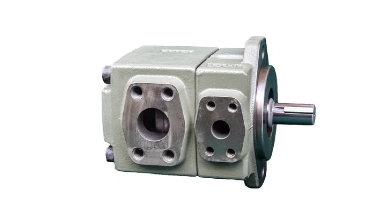
Optimizing energy efficiency in vane pumps offers several advantages:
Reduced Operational Costs: Lower power consumption translates directly into cost savings for industrial operations.
Extended Equipment Life: Minimizing overloading and wear enhances pump longevity.
Environmental Impact: Reduced energy consumption lowers greenhouse gas emissions and supports sustainability goals.
Improved System Performance: Consistent flow and pressure reduce variability and improve the overall reliability of hydraulic systems.
Energy-efficient vane pumps are critical in many sectors:
Industrial Automation: Assembly lines, presses, and CNC machinery benefit from precise, energy-optimized hydraulic systems.
Mobile Equipment: Construction and agricultural machinery require reliable, efficient pumps to extend fuel and battery life.
Aerospace and Marine Systems: High-performance hydraulic systems demand both reliability and energy efficiency to optimize operational costs.
Renewable Energy Systems: Hydraulic drives in wind turbines or solar trackers utilize efficient vane pumps to reduce energy losses.
Energy efficiency in vane pumps is no longer an optional consideration; it is a fundamental aspect of modern hydraulic system design and operation. By understanding the factors that influence efficiency—such as leakage, friction, fluid viscosity, and operating conditions—engineers and operators can implement strategies that reduce power consumption, enhance system reliability, and lower operational costs. Variable displacement pumps, proper maintenance, fluid optimization, and advanced control systems all play vital roles in achieving these goals.
For businesses and industries looking to optimize their hydraulic systems with reliable and energy-efficient vane pumps, Zhejiang Keister Hydraulic Co., Ltd. offers a comprehensive range of high-performance solutions. Their expertise in precision hydraulic components ensures that systems operate at peak efficiency while maintaining long-term durability. Explore their offerings and consult with their team for tailored recommendations to maximize performance and energy savings.


