

Views: 0 Author: Site Editor Publish Time: 2025-08-17 Origin: Site


Internal gear pumps are widely used in hydraulic systems, lubrication circuits, chemical processing, and industrial fluid handling. Their compact design, smooth operation, and ability to handle viscous fluids make them indispensable in various sectors. However, energy efficiency is increasingly important for industrial operators seeking to reduce costs and environmental impact. Optimizing internal gear pump performance not only improves energy usage but also extends the lifespan of the pump and connected systems.
Internal gear pumps are positive displacement pumps characterized by two meshing gears: a rotor and an idler gear. Unlike external gear pumps, the rotor drives the idler inside the pump casing, creating crescent-shaped chambers that draw in fluid on the inlet side and force it toward the outlet. This design enables smooth, continuous flow and the ability to handle high-viscosity fluids without cavitation.
Key advantages of internal gear pumps include:
Smooth, pulsation-free flow, ideal for precision systems.
High suction capability, allowing operation at low inlet pressures.
Compatibility with viscous and shear-sensitive fluids.
Compact and versatile design, suitable for stationary and mobile applications.
Understanding these fundamentals is critical when implementing energy efficiency measures, as the pump’s design characteristics directly impact operational performance and power consumption.
Proper maintenance is the cornerstone of energy-efficient operation for internal gear pumps. Neglecting routine care can lead to increased friction, internal leaks, and accelerated mechanical wear, all of which waste energy and reduce overall system performance. By implementing a structured maintenance routine, operators can ensure that pumps operate at peak efficiency, avoid unexpected downtime, and extend the service life of both the pump and the hydraulic system it serves.
Regular inspection of gears, bearings, seals, and other internal components is essential. Worn internal gears can compromise volumetric efficiency, causing the pump to struggle to maintain the desired flow rate at lower pressures. Similarly, damaged bearings or seals can lead to fluid leakage and increased friction, forcing the driving motor to work harder and consume more energy. Timely replacement of these components not only maintains smooth operation but also prevents more costly failures down the line.
Internal gear pumps rely on precise gear and bearing movement to transfer fluids efficiently. Adequate lubrication minimizes friction and heat generation, which directly impacts energy consumption. Using manufacturer-recommended lubricants ensures that viscosity, additive packages, and thermal stability are suitable for the pump’s operating conditions. Insufficient lubrication can lead to overheating, premature wear, and increased energy use, while proper lubrication promotes consistent performance and reliability.
Fluid cleanliness is critical for maintaining energy efficiency. Inlet filters should be checked and cleaned regularly to prevent cavitation caused by restricted flow. Additionally, accumulated debris or contaminants inside the pump or system can obstruct fluid movement and increase resistance. Maintaining a clean system reduces hydraulic losses, ensures smooth energy transfer, and helps the pump deliver steady performance under varying loads.
Choosing the correct internal gear pump for your specific system requirements is crucial for both energy efficiency and longevity. Oversized pumps often consume more energy than necessary, cycling at higher flow rates than the system requires, while undersized pumps are forced to operate under excessive load, leading to inefficiency and accelerated wear.
Assess Flow and Pressure Requirements: Carefully evaluate your system’s demand and match it to the pump’s displacement and pressure capabilities.
Consider Viscosity Ranges: Fluids with high viscosity require higher torque to maintain flow. Pumps should be rated appropriately for the expected fluid characteristics to avoid overworking.
Use Variable-Speed Drives (VSDs): Incorporating a VSD allows the pump to adjust speed dynamically based on demand. This reduces energy consumption during low-load conditions and enhances operational flexibility.
By combining proper sizing with routine maintenance, industrial operators can maximize efficiency, minimize energy waste, and maintain a stable, reliable pumping system.
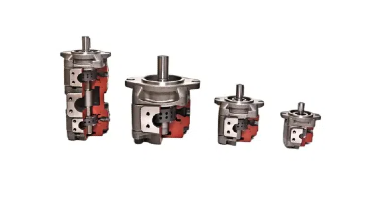
Internal gear pumps are most energy-efficient when they operate within the manufacturer-recommended ranges for pressure, speed, and temperature. Deviating from these parameters not only reduces efficiency but can also accelerate wear, increase maintenance costs, and shorten the pump’s service life. Careful monitoring and adjustment of operational parameters are therefore essential for maximizing performance and minimizing energy consumption.
Maintaining optimal operating pressure is critical. Running a pump at unnecessarily high pressures increases mechanical stress, accelerates component wear, and significantly raises energy consumption. Installing pressure relief valves and automated control systems helps maintain pressure within recommended limits, protecting the pump from overpressure while ensuring consistent fluid delivery. Additionally, monitoring system pressure allows operators to identify leaks or blockages early, preventing excessive energy waste and maintaining smooth operation.
Fluid temperature has a direct impact on internal gear pump performance. Excessive heat can alter fluid viscosity, causing higher internal friction and reducing volumetric efficiency. This, in turn, forces the driving motor to work harder, consuming more energy. Implementing temperature management solutions, such as heat exchangers or inline temperature sensors, helps maintain fluid within the ideal operating range. Cooling systems or fluid recirculation can further stabilize temperatures, ensuring the pump operates efficiently even in demanding industrial environments.
Efficient flow management is equally important for energy optimization. A pump that delivers more flow than required forces excess fluid through bypass lines or throttling devices, both of which waste energy. Conversely, inadequate flow can overwork the pump and compromise system performance. Using flow meters and adjustable control valves enables real-time monitoring and fine-tuning of flow rates. By matching pump output precisely to system demand, operators can minimize energy losses, reduce mechanical strain, and improve overall system efficiency.
Several accessories and technologies can further improve the efficiency of internal gear pump systems.
Variable Frequency Drives (VFDs): Adjust motor speed to real-time system requirements.
Smart Sensors and Controls: Monitor pressure, temperature, and flow, allowing automated adjustments.
High-Efficiency Motors: Reduce electrical energy consumption while maintaining torque.
Pump efficiency is also influenced by the hydraulic system as a whole. Optimizing piping, reducing friction losses, and minimizing long suction lines all contribute to energy savings.
Shorter, wider pipelines reduce resistance and load on the pump.
Minimize bends and fittings that cause turbulence.
Ensure compatible fluid selection to avoid excessive viscosity-related energy losses.
Investing in energy-efficient internal gear pump operation provides tangible benefits:
Reduced Operating Costs: Lower electricity consumption decreases energy bills.
Extended Pump Lifespan: Smooth operation and proper load reduce wear and repair frequency.
Sustainable Operation: Energy-efficient systems reduce carbon footprint and environmental impact.
Improved System Reliability: Consistent flow and pressure improve the performance of downstream equipment.
Internal gear pumps are critical in numerous industrial applications, from chemical processing to lubrication systems. By focusing on proper maintenance, correct sizing, operational optimization, and system-level adjustments, operators can significantly enhance energy efficiency. These measures not only save costs but also extend pump longevity, ensure smooth operation, and contribute to sustainable industrial practices.
For companies seeking high-quality internal gear pumps and guidance on optimizing their hydraulic systems, Zhejiang Keister Hydraulic Co., Ltd. offers a wide range of pumps and expert support. Their solutions are designed for reliability, performance, and efficiency in demanding industrial applications. Contact them to learn more and ensure your systems operate at peak efficiency.


