

Views: 0 Author: Site Editor Publish Time: 2025-07-17 Origin: Site


Internal gear pumps are widely used in hydraulic and lubrication systems for their reliability, smooth flow, and ability to handle viscous fluids. Despite their robust design, internal gear pumps may encounter operational problems if not maintained or operated correctly. Understanding the common issues and troubleshooting methods can help extend the pump’s service life, optimize performance, and minimize downtime.
Internal gear pumps consist of an inner gear (rotor) and an outer gear (idler) housed in a casing. As the gears rotate, fluid is trapped between the teeth and the pump housing, moving it from the inlet to the outlet. This positive displacement mechanism allows the pump to deliver steady flow rates, even under varying pressure conditions, making it suitable for oil, fuel, lubricants, and hydraulic fluids.
Key advantages of internal gear pumps include:
Smooth, pulsation-free flow
High efficiency with viscous fluids
Compact size and quiet operation
Ability to handle solids or abrasives in some designs
Despite these benefits, internal gear pumps are not immune to problems. Identifying issues early can prevent catastrophic failures and costly downtime.
Cavitation occurs when vapor bubbles form in the fluid due to local pressure drops and collapse as they move through the pump. This phenomenon can produce audible noise, increased vibration, and even physical damage to critical pump components, such as gear teeth or the pump casing. Over time, unchecked cavitation can severely reduce pump efficiency and shorten service life.
Causes:
Insufficient fluid supply or low suction pressure: If the inlet flow cannot meet the pump’s demand, pockets of vapor can form.
High fluid viscosity: Thick fluids resist flow, increasing the likelihood of pressure drops inside the pump.
Excessive pump speed: Operating the pump faster than its design limits can create turbulence and localized low-pressure zones.
Air entrainment in the fluid: Air bubbles in the hydraulic fluid can mimic cavitation effects, damaging components and reducing efficiency.
Troubleshooting Tips:
Ensure that suction lines are properly sized, short, and free from sharp bends to minimize pressure loss.
Maintain adequate fluid levels in the reservoir and refill promptly if levels drop.
Adjust pump speed to remain within manufacturer-specified limits, especially when handling high-viscosity fluids.
Inspect suction strainers and filters regularly, removing blockages that could restrict flow.
Check for signs of aeration in the fluid and eliminate air sources such as leaks or improper venting.
Unusual noise or vibration in an internal gear pump is often an early indicator of mechanical or hydraulic issues. Left unaddressed, these problems can escalate, causing premature wear or catastrophic failure.
Causes:
Worn gears or bearings: Over time, gear teeth or bearings may degrade, leading to uneven rotation, rattling, or grinding sounds.
Misalignment of the pump shaft and motor: Even slight misalignment increases mechanical stress, accelerates wear, and can cause vibration.
Loose mounting or foundation bolts: Insecure installation allows movement during operation, contributing to both vibration and noise.
Contaminated or aerated fluid: Dirt, metal particles, or air bubbles can cause the gears to chatter and reduce hydraulic efficiency.
Troubleshooting Tips:
Regularly inspect gears and bearings for signs of wear or damage, replacing components as needed.
Verify that the pump and motor shafts are properly aligned using precision alignment tools or laser alignment systems.
Tighten all mounting bolts and check the foundation structure for stability to minimize resonance.
Ensure hydraulic fluid is clean, properly filtered, and free from air bubbles; consider installing additional filtration or degassing systems if necessary.
Monitor pump operation for early signs of unusual vibration and address them promptly to prevent further damage.
A noticeable drop in flow rate or output pressure can significantly impact the performance of a hydraulic system. Internal gear pumps are designed to maintain steady flow, but several factors can reduce their effectiveness.
Causes:
Internal leakage: Worn gear teeth, rotors, or casing can create gaps, allowing fluid to bypass intended pathways, which reduces volumetric efficiency.
Clogged suction or discharge lines: Debris, sludge, or sediment can restrict fluid movement, lowering output.
Air trapped in the pump or system: Air pockets reduce hydraulic force transmission and may cause pulsations.
Incorrect pump sizing: Using a pump that is too small or too large for the application can result in insufficient flow or excessive pressure drop.
Troubleshooting Tips:
Measure pump output and compare it with the manufacturer’s specifications to identify deficiencies.
Inspect internal components for wear and replace damaged gears, rotors, or casings promptly.
Clean suction and discharge lines, strainers, and filters to ensure unrestricted fluid flow.
Check the system for trapped air and properly vent lines to restore consistent operation.
Excessive heat can reduce efficiency, degrade internal components, and shorten the pump’s operational lifespan.
Causes:
High fluid viscosity or using improper lubrication, which increases frictional heat.
Continuous operation at maximum pressure or speed without rest periods.
Blocked cooling lines, restricted fluid pathways, or heat exchanger malfunction.
Air entrapment within the fluid, which reduces thermal conductivity and raises temperature.
Troubleshooting Tips:
Select hydraulic fluid with the correct viscosity and thermal properties recommended by the manufacturer.
Allow intermittent operation or reduce pump speed during extended runs to prevent overheating.
Inspect and clean cooling lines or heat exchangers to ensure efficient heat dissipation.
Remove sources of air entrapment and ensure proper system venting.
Fluid leaks not only waste energy but also compromise system efficiency and safety.
Causes:
Worn or damaged seals, gaskets, or O-rings.
Improper installation of sealing components, resulting in gaps or misalignment.
Operating pressures exceeding the pump’s rated limits.
Thermal expansion or vibrations that loosen fittings over time.
Troubleshooting Tips:
Replace worn or damaged seals immediately to prevent further leakage.
Ensure correct installation of gaskets and O-rings, using recommended torque settings.
Verify that system pressures remain within design limits to avoid overstressing the pump.
Inspect all connections regularly and tighten or replace fittings as necessary.
Excessive wear reduces pump efficiency, increases maintenance costs, and may lead to sudden failure.
Causes:
Contaminated hydraulic fluid containing abrasive particles.
Inadequate or incorrect lubrication, increasing friction and component stress.
Operation outside manufacturer-specified parameters such as speed, pressure, or temperature.
Misalignment of the pump or system vibration that accelerates mechanical fatigue.
Troubleshooting Tips:
Use proper filtration and maintain clean hydraulic fluid to reduce abrasive damage.
Follow manufacturer-recommended lubrication practices and oil change intervals.
Monitor operating conditions to avoid exceeding speed, pressure, or temperature limits.
Ensure proper alignment and reduce vibration sources to prevent uneven wear.
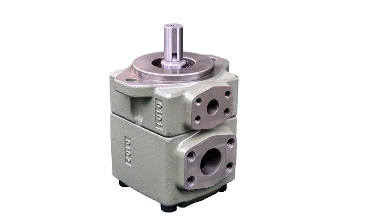
Preventive maintenance is crucial for extending pump life and ensuring reliable operation:
Regular Inspection: Check gears, bearings, and seals for wear or damage.
Lubrication Management: Use recommended oils or hydraulic fluids and change them periodically.
Fluid Filtration: Install high-quality filters and strainers to remove contaminants.
Temperature Monitoring: Keep operating temperature within specified ranges.
Alignment Checks: Ensure proper alignment between pump, motor, and piping system.
Pressure and Flow Monitoring: Track system parameters to detect early signs of malfunction.
By adhering to these preventive strategies, operators can minimize unplanned downtime, reduce repair costs, and maintain optimal pump performance.
Internal gear pumps are highly reliable and versatile components in hydraulic and lubrication systems. However, they can encounter problems such as cavitation, vibration, reduced flow, overheating, leakage, and premature wear. Understanding the root causes and employing effective troubleshooting techniques is essential for maintaining pump efficiency and prolonging service life.
For businesses seeking high-quality internal gear pumps and expert guidance, Zhejiang Keister Hydraulic Co., Ltd. offers a comprehensive range of products designed for durability, efficiency, and reliability. Contact them to learn more about their solutions and how their pumps can enhance your hydraulic system performance.


