

Views: 0 Author: Site Editor Publish Time: 2025-07-31 Origin: Site


In the chemical processing industry, the selection of pumping equipment plays a critical role in ensuring process efficiency, safety, and product quality. Among the various types of pumps available, internal gear pumps have emerged as a reliable solution for handling viscous, shear-sensitive, and chemically aggressive fluids. Their precise design, durability, and versatility make them ideal for applications ranging from transferring adhesives to metering chemical additives. This article explores the key factors to consider when choosing the right internal gear pump for chemical processing applications.
Internal gear pumps are positive displacement pumps that consist of a larger external rotor (gear) and a smaller internal rotor, both housed within a pump casing. The internal gear meshes with the external rotor to create cavities that carry fluid from the pump inlet to the outlet. This design provides smooth, continuous flow with minimal pulsation, making them particularly suitable for precise chemical dosing and viscous fluid handling.
Key features of internal gear pumps include:
Smooth, pulse-free flow: Reduces the risk of foaming or turbulence in sensitive chemicals.
Ability to handle high-viscosity fluids: Internal gear pumps can efficiently pump fluids that are too thick for centrifugal pumps.
Reversible operation: Many internal gear pumps can run in both directions, offering flexibility in process design.
High metering accuracy: Their positive displacement nature allows for precise control over flow rates, critical in chemical formulations.
Handling Viscous and Shear-Sensitive Fluids
Internal gear pumps are particularly well-suited for transferring high-viscosity fluids such as resins, oils, and polymer solutions. Unlike centrifugal pumps, which can create turbulence and shear that may damage sensitive chemicals, internal gear pumps deliver a smooth, continuous flow. This gentle handling preserves the integrity of shear-sensitive materials, ensuring consistent product quality and reducing the risk of degradation during processing. Industries dealing with adhesives, coatings, or specialty polymers greatly benefit from this capability.
Chemical Compatibility
Chemical processing often involves corrosive or reactive substances. Internal gear pumps can be constructed using a wide range of materials, including stainless steel for general chemical resistance, Hastelloy for highly corrosive fluids, or PTFE-lined components for aggressive chemical compatibility. By selecting appropriate materials, manufacturers can prevent contamination, minimize corrosion, and extend the service life of the pump. This adaptability ensures reliable operation even under demanding chemical environments.
Accurate Metering and Dosing
The positive displacement design of internal gear pumps allows for highly precise dosing and metering of fluids. This is critical in applications such as chemical reactions, blending operations, or formulation processes, where exact volumes are required. Accurate flow control minimizes waste, maintains consistent concentrations, and ensures reproducibility across batches. Operators can rely on internal gear pumps to deliver exact quantities of materials, enhancing both efficiency and product consistency.
Low Maintenance and Long Service Life
Internal gear pumps feature a relatively simple construction with fewer moving parts compared to other positive displacement pumps. This translates to lower maintenance requirements, less frequent servicing, and reduced operational downtime. High-quality materials and precise engineering further contribute to durability, allowing these pumps to withstand continuous operation in industrial environments. Over time, this reliability leads to lower lifecycle costs and improved overall productivity.
Energy Efficiency
Efficiency is a key advantage of internal gear pumps. Their design minimizes internal leakage and backflow, allowing the system to operate with reduced energy consumption. Variable displacement models can adjust flow to match demand, avoiding unnecessary power usage. By maintaining consistent efficiency across a range of viscosities and pressures, internal gear pumps help chemical processing facilities lower electricity costs, reduce heat generation, and improve overall system sustainability.
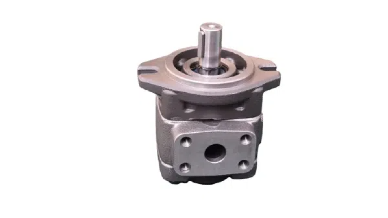
Selecting the right internal gear pump for chemical processing involves a thorough assessment of operational requirements. Key considerations include:
a Fluid Properties
Viscosity: Choose a pump that can handle the expected viscosity range without losing efficiency.
Temperature: Ensure the pump materials and seals can withstand operating temperatures.
Chemical Compatibility: Match pump materials with the chemical’s properties to prevent corrosion or degradation.
b Flow Rate and Pressure Requirements
Determine the required flow rate and discharge pressure to ensure the pump can meet production demands.
Consider variable flow applications where the pump may need to operate at partial loads efficiently.
c Sealing Options
Mechanical seals, gland packing, or magnetic drive options may be necessary depending on chemical aggressiveness and leak prevention requirements.
d Material Selection
Stainless steel is common for general chemical applications, while specialty alloys like Hastelloy or titanium are used for highly corrosive fluids.
PTFE-lined or coated pumps provide additional resistance to aggressive chemicals.
e Maintenance and Accessibility
Consider how easily the pump can be serviced, including rotor replacement, seal changes, and inspection.
Quick disassembly designs reduce downtime during routine maintenance.
Internal gear pumps are highly versatile and find use across a wide spectrum of chemical processing applications due to their ability to handle viscous, sensitive, and corrosive fluids with precision.
Adhesives and Resins
High-viscosity adhesives and polymer resins demand smooth, pulse-free pumping to avoid air entrapment and maintain consistent quality. Internal gear pumps deliver steady, continuous flow, ensuring that these materials retain their chemical properties and performance characteristics throughout production.
Oils and Lubricants
Specialty oils and industrial lubricants are commonly processed with internal gear pumps. Their precise metering capabilities minimize shear stress, which preserves the fluid’s viscosity and performance. This is crucial in manufacturing environments where consistent lubrication is necessary for downstream machinery and processes.
Corrosive Chemicals
Pumps constructed from stainless steel, Hastelloy, or PTFE-lined materials handle corrosive acids, caustics, and solvents safely. Internal gear pumps resist chemical attack, prevent leaks, and provide reliable long-term performance in harsh environments, making them indispensable for chemical plants.
Food and Pharmaceutical-Grade Chemicals
In industries where hygiene and safety are paramount, internal gear pumps are used to transfer pharmaceutical additives, food-grade oils, or other sanitary chemicals. Stainless steel, sealed designs ensure contamination-free operation, meeting stringent regulatory standards.
Blending and Dosing Operations
Chemical blending requires precise dosing for consistency. Internal gear pumps maintain accurate flow rates, allowing operators to produce uniform formulations with minimal waste. Their reliability and control make them ideal for both small-batch and large-scale production.
By offering smooth flow, chemical compatibility, and precise metering, internal gear pumps have become a cornerstone in modern chemical processing operations.
To maximize the lifespan and efficiency of internal gear pumps:
Monitor Viscosity and Temperature: Operating outside recommended ranges can reduce efficiency and cause wear.
Check Seals and Bearings Regularly: Ensure seals are intact to prevent leaks and bearings are properly lubricated.
Clean After Aggressive Fluids: Flush pumps after handling corrosive or sticky chemicals to prevent buildup and corrosion.
Use Correct Drive Systems: Coupled motors or variable frequency drives should match the pump’s operational specifications.
Internal gear pumps are an indispensable component in modern chemical processing, offering unmatched reliability, accuracy, and efficiency. Their ability to handle high-viscosity, shear-sensitive, and corrosive fluids makes them ideal for applications ranging from adhesives and resins to corrosive chemicals and precise dosing operations. By carefully selecting the right pump based on fluid properties, pressure, flow rate, and material compatibility, chemical processors can enhance productivity, reduce energy consumption, and ensure consistent product quality.
For companies seeking high-quality internal gear pump solutions for chemical processing applications, Zhejiang Keister Hydraulic Co., Ltd. provides reliable, durable, and customizable pumps designed to meet the demanding needs of modern industries. Reach out to their team to explore options tailored to your specific applications and achieve optimal performance in your chemical processing operations.


