

Views: 0 Author: Site Editor Publish Time: 2025-08-07 Origin: Site


The chemical and petrochemical industries represent some of the most demanding environments for fluid handling equipment. From transferring corrosive chemicals to handling viscous petrochemical products, every pump in these facilities must deliver consistent performance, safety, and reliability. Among the many pump technologies available, External Gear Pumps stand out as an efficient and dependable choice. Their simple yet robust design makes them suitable for a wide variety of applications, particularly in settings where precision, durability, and adaptability are essential.
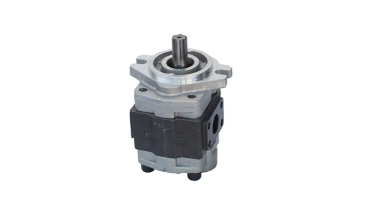
An extenal gear pump is a type of positive displacement pump that consists of two intermeshing gears—one drive gear and one idler gear—rotating inside a pump casing. As the gears rotate, liquid is trapped in the cavities between the gear teeth and the casing, then carried around the outside of the gears from the inlet to the outlet. The meshing of the gears forces the liquid out, creating a consistent and controlled flow.
Constant Flow Rate: Extenal gear pumps provide a fixed displacement per revolution, ensuring steady output even under varying pressures.
High Pressure Capability: These pumps can handle high-pressure operations, making them well-suited for demanding chemical and petrochemical systems.
Ability to Handle Viscosity: Extenal gear pumps can manage a broad range of fluid viscosities, from thin solvents to heavy oils.
The chemical and petrochemical sectors are known for their demanding operating conditions, involving corrosive chemicals, extreme temperatures, and fluids with varying viscosities. Any pumping solution must be able to deliver reliable performance without frequent failures, since unplanned downtime can cause significant production and financial losses. Extenal gear pumps have gained widespread adoption in these industries because they combine simplicity with strength, offering a balance of durability, efficiency, and adaptability. Below are the key reasons why they excel in such harsh environments:
Extenal gear pumps are constructed with few moving parts, reducing the likelihood of mechanical failure compared to more complex systems. The gears and casing are typically made from robust materials such as stainless steel, bronze, or advanced alloys engineered to resist chemical attack. This durability translates into longer service life, even when exposed to aggressive fluids like acids, solvents, or hydrocarbons. In environments where equipment is expected to run continuously for long shifts, this level of dependability ensures production targets are met without unnecessary interruptions.
Many processes in chemical plants and refineries depend on accurate dosing, blending, or circulation of fluids. For example, when adding catalysts to a reaction or metering small volumes of additives, even minor fluctuations can compromise product quality. Extenal gear pumps provide a fixed displacement per revolution, delivering a smooth, pulse-free flow. This minimizes process variability and helps maintain strict quality control. The consistent performance of gear pumps also reduces stress on downstream equipment, such as filters, mixers, and reactors, enhancing overall system efficiency.
Another strength of extenal gear pumps is their ability to handle a wide spectrum of fluids. From light, low-viscosity solvents to heavy, sticky resins and polymers, these pumps adapt easily without compromising flow stability. This versatility is particularly important in multi-purpose chemical plants, where a single pump may need to handle different types of fluids as production shifts between products. Their compatibility with both thin and viscous materials makes them a cost-effective solution, reducing the need for multiple specialized pumps.
Plant layouts in chemical and petrochemical facilities often involve limited space, requiring equipment that is compact yet powerful. Extenal gear pumps meet this demand with their relatively small footprint and efficient design. Maintenance is also straightforward: the simple construction allows for quick inspection, replacement of worn gears, or seal adjustments without lengthy downtime. In industries where each hour of shutdown can mean substantial financial loss, the ease of serviceability offered by extenal gear pumps provides a significant competitive edge.
Extenal gear pumps play multiple roles in chemical processing plants and petrochemical refineries. Below are some of the most important applications:
Solvents such as acetone, toluene, and methanol are frequently used in chemical production. Extenal gear pumps provide precise and safe transfer of these low-viscosity fluids, ensuring consistent supply without leakage or vapor lock.
Resins, adhesives, and polymers are highly viscous materials that require stable flow for processing. Extenal gear pumps excel at managing these fluids, supporting extrusion, blending, and molding operations without compromising on efficiency.
In petrochemical refineries, handling hydrocarbons such as gasoline, diesel, and kerosene demands pumps that can operate under both low and high pressure. Extenal gear pumps offer smooth transfer and reliable metering, making them ideal for this purpose.
Many chemical processes rely on accurate dosing of acids, alkalis, and additives. Extenal gear pumps deliver the precision required, ensuring correct proportions and avoiding waste or safety risks.
Rotating equipment such as compressors and turbines in petrochemical plants rely on consistent lubrication. Extenal gear pumps provide reliable oil circulation, protecting critical components and extending equipment lifespan.
Some chemical processes require heating or cooling with thermal fluids such as synthetic oils or molten salts. Extenal gear pumps are capable of circulating these fluids at high temperatures, maintaining process stability.
 n
n
While centrifugal pumps and internal gear pumps are also widely used in the industry, external gear pumps offer unique advantages that make them particularly suitable for certain tasks:
Better for High Viscosity: Unlike centrifugal pumps, which struggle with thick fluids, extenal gear pumps handle viscous materials efficiently.
Compact Size: They provide high pressure and steady flow in a smaller footprint compared to some alternatives.
Lower Pulsation: Compared to piston pumps, gear pumps deliver smoother and more continuous flow.
While extenal gear pumps offer many benefits, successful integration requires careful planning:
Material Selection: For aggressive chemicals, selecting the correct material (stainless steel, Hastelloy, or Teflon-lined components) is essential to prevent corrosion.
Seal Design: Mechanical seals or magnetic couplings should be chosen based on fluid characteristics to minimize leaks.
Maintenance Practices: Regular inspection of gear wear and lubrication is important to maintain long-term efficiency.
Temperature Management: Pumps should be designed to withstand high-temperature fluids, with proper cooling if necessary.
As the chemical and petrochemical industries move toward more sustainable practices, external gear pumps will continue to play an important role. Their energy efficiency, reliability, and adaptability make them well-suited for emerging applications such as biofuel production, renewable chemicals, and environmentally friendly lubricants. Ongoing innovations in materials and sealing technologies will further expand their capabilities, reducing downtime and enhancing safety in harsh environments.
The chemical and petrochemical industries demand robust and precise equipment to manage a wide variety of challenging fluids. Extenal Gear Pumps offer the durability, accuracy, and versatility needed to excel in these environments. From solvent transfer and hydrocarbon processing to polymer handling and chemical dosing, they have proven to be indispensable in maintaining efficiency and reliability across operations.
For companies seeking dependable solutions for fluid handling in chemical and petrochemical applications, exploring high-quality extenal gear pumps is a smart choice. To learn more about advanced pump technologies and how they can support your business, you may visit Zhejiang Keister Hydraulic Co., Ltd. . Their expertise in industrial solutions makes them a reliable partner for those looking to enhance operational performance in demanding industries.


